How Much Should You Tip in Greece? (Tipping Guide)

- Tipping in Greece (filodorima) is not automatically included in the bill, giving tourists full control over rewarding service.
- Cash (Euros) is highly preferred for tips as POS systems can delay payments to the hardworking staff.
- A standard tip in tavernas and cafes ranges from 5% to 10% or simply rounding up the bill.
- Luxury resorts on islands like Mykonos or Santorini have higher expectations, with concierge tips reaching 20-50 Euros.
- The concept of hospitality (filoksenia) dates back to antiquity, where guests were treated with religious-level respect.
When planning a trip to the cradle of civilization, you’ll quickly discover that the heart of Hellas isn't just found in its ancient ruins, but in filoksenia (φιλοξενία) – the legendary Greek hospitality. This is inextricably linked to filodorima (φιλοδώρημα), the tradition of tipping, which boasts a long history and remains deeply rooted in local culture.
The word "filodorima" itself is a beautiful blend of two Greek elements: filos (φίλος), meaning "friend," and dorima (δώρημα), derived from doron (δώρον), which means "gift" or "present." Together, φιλοδώρημα can be translated as a "kind gift" or a "friendly gesture." In Greece, it serves as a personal expression of gratitude offered in exchange for excellent service.
Filoksenia: Why the Guest is Sacred in Greece
Closely tied to the tipping culture is the concept of filoksenia (φιλοξενία). It is composed of the words filos (φίλος) and ksenos (ξένος), which translates to "stranger" or "guest." Filoksenia, therefore, means "hospitality" — a concept incredibly dear to every Greek. It refers to the warm and heartfelt reception of guests, treating them with the utmost respect and care.
It all began in antiquity. In ancient Greece, hospitality was believed to be more than just a moral obligation; it was a vital religious duty. Greeks believed that gods could travel incognito as ordinary people. For this reason, every guest had to be received with the highest level of kindness — because you never knew if a resident of Olympus had just crossed your threshold.
Historical Overview of Tipping in Greece
Hospitality was considered a sacred duty for any self-respecting citizen. These rules were overseen by Zeus Xenios, the Protector of Guests (Ξένιος Ζευς), who guarded travelers. Homeowners were expected to welcome guests with open arms, offering them food and shelter. While the formal concept of tipping didn't exist then, small gifts were a natural expression of gratitude.
During the Middle Ages and the Byzantine period, these rules evolved while maintaining their pivotal role. Traveling monks and pilgrims, welcomed by local communities, would gift hosts small tokens of appreciation. It was during this era that tipping culture began to take on more formal shapes.
In modern times, especially during the Ottoman period, this custom became widespread. Greeks, in both bustling cities and quiet villages, began adopting a system of giving small sums of money. This was not only a show of gratitude for a service but also a proven way to ensure even better service in the future.
Tipping in Greece Today: What’s the Etiquette?
Modern approaches to tipping vary, though it remains a staple of the travel world. It's time to debunk a popular myth: tips in Greece are not automatically included in the service price. This gives customers full freedom — you decide whether and how you want to reward the service.
While tips aren't mandatory, service industry workers view them as an important gesture of appreciation and respect. Rules may differ depending on the region (popular islands vs. mainland Greece), but the general guidelines remain clear for 2026.
Where Should You Leave a Tip?
Tips are welcome in many places, not just in dining. Key spots include:
-
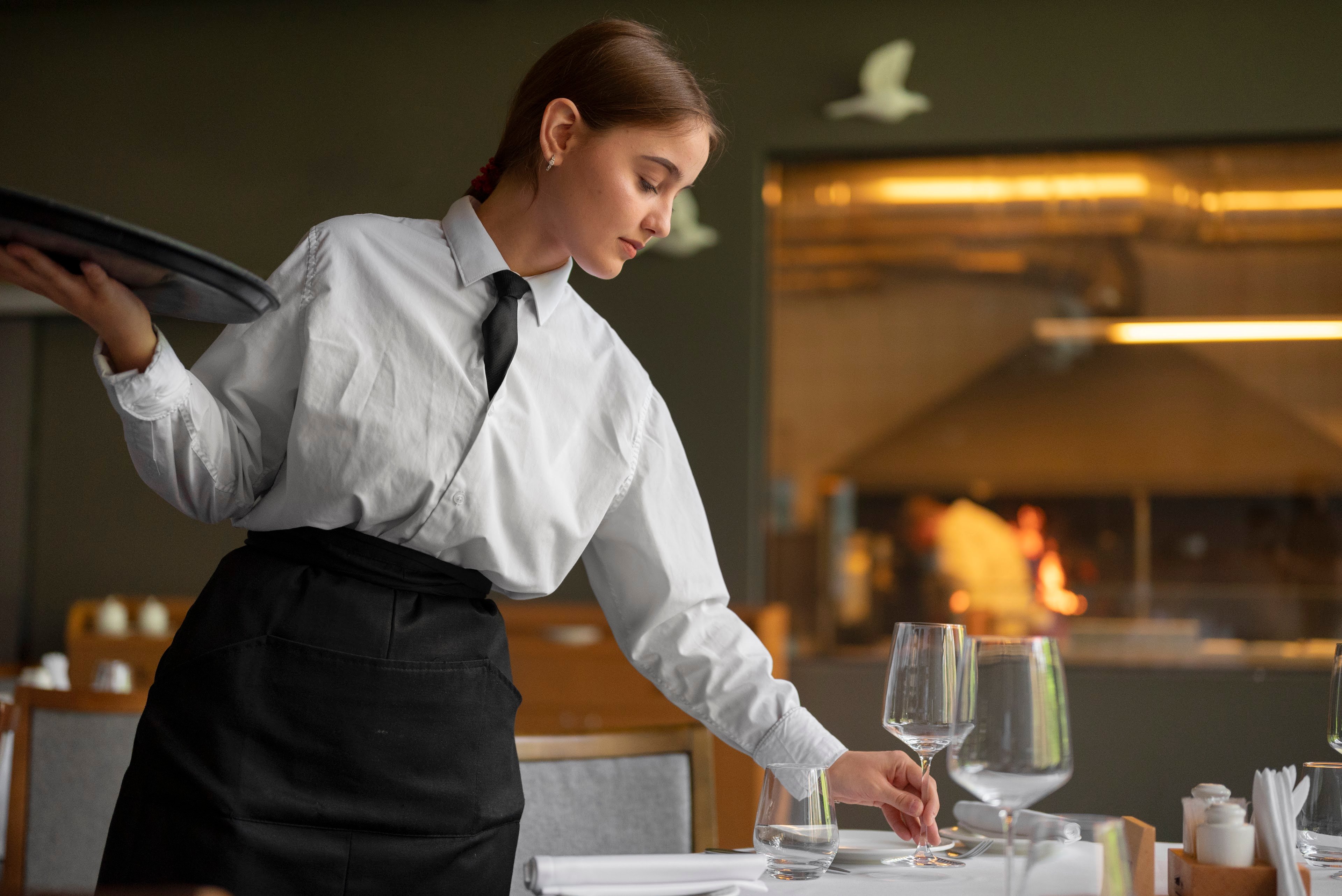
Tavernas, restaurants, and cafes – the heart of Greek social life.
-
Hotels – bellhops and housekeeping services.
-
Taxi drivers and guides – those who make your journey easier.
-
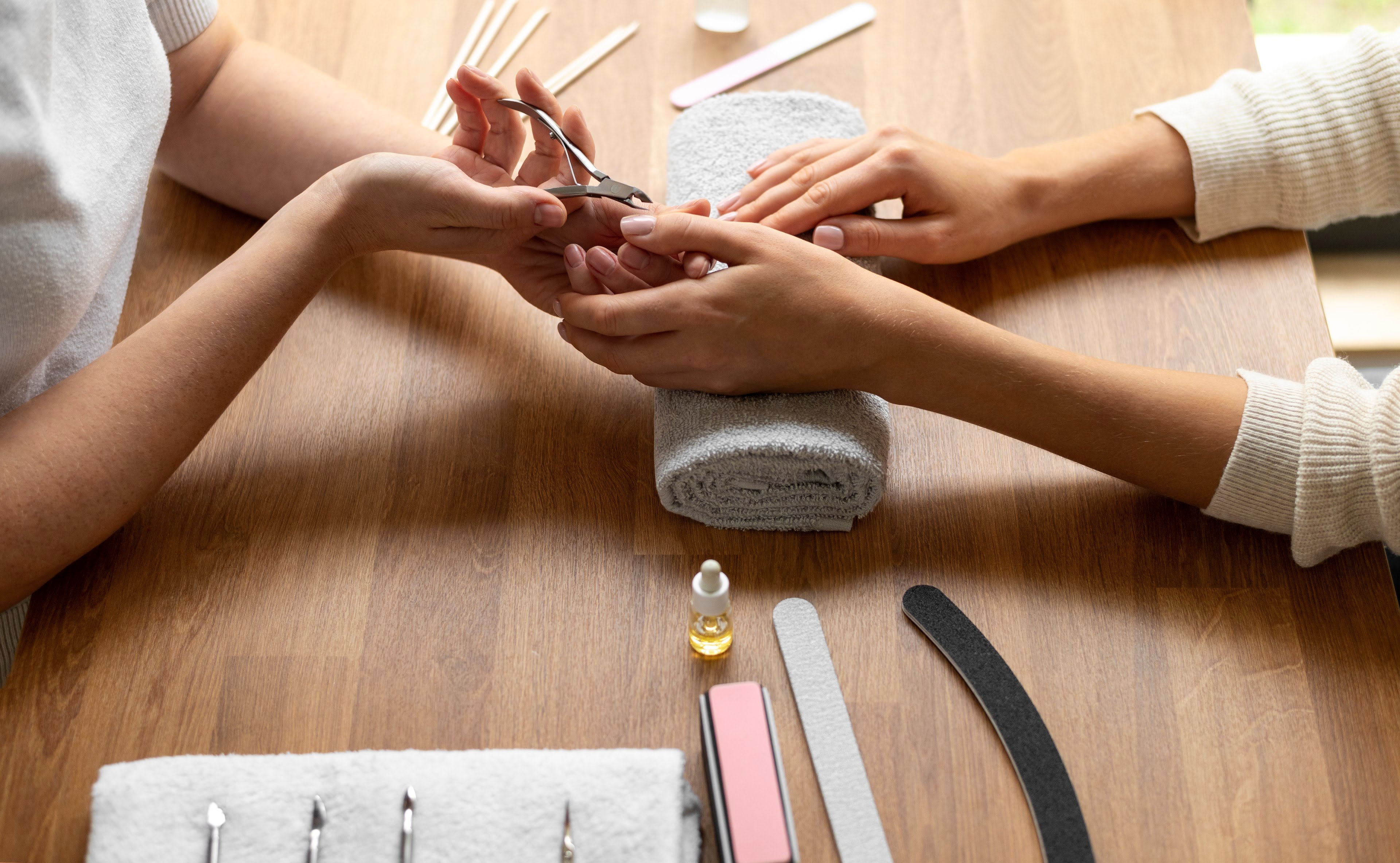
Service points — hair stylists or nail salons (you’ll often find tip jars with the staff member's name here).
Practical Tips: How Much Should You Leave?
-
Restaurants and Tavernas: After a delicious meal, it’s standard to round up the bill or add 5-10%.
-
Cafes: After enjoying your coffee (like the famous frappé), you can leave a small amount on the table or round up the change at the bar.
-
Taxis: If the driver was helpful and polite, feel free to round up the fare or add a few Euros.
-
Hotels: Bellhops or housekeepers will appreciate a small gesture. In luxury and high-end hotels or premium restaurants, expectations may be higher – in these venues, 10% or more might be more appropriate, though it remains optional. In five-star resorts on Mykonos, Santorini, or in Athens, tipping culture reaches a higher level. If you use a private concierge service that secured a table at a fully-booked restaurant, a tip of 20-50 Euros is a fitting way to recognize their professionalism. For housekeeping staff in luxury suites, leaving 5 Euros per day ensures the highest attention to detail during your stay.