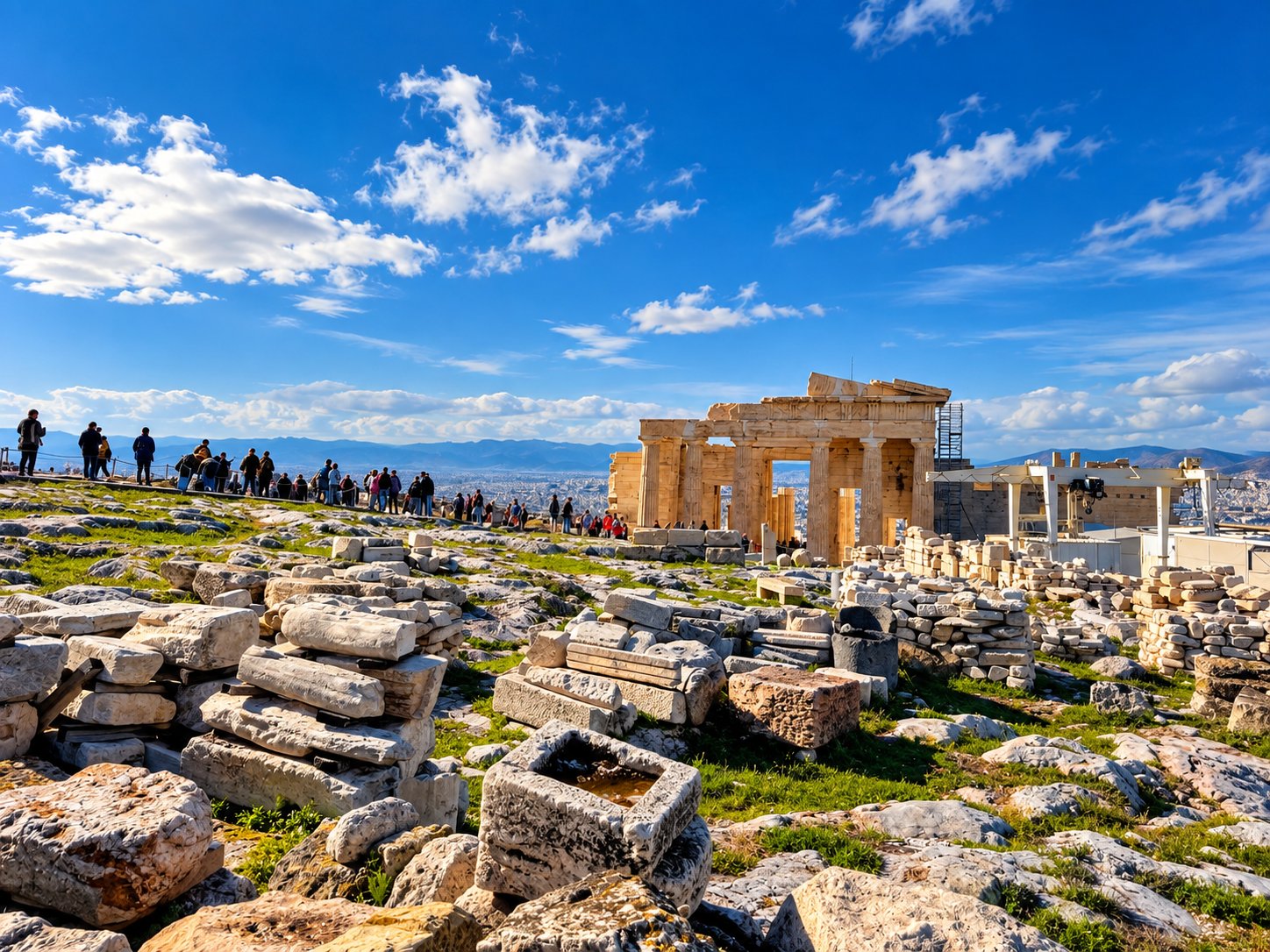
Best Time to Visit Greece: Weather, Prices, Crowds & More
- June and September offer an ideal balance of warm weather, pleasant sea temperatures, and manageable crowds.
- July and August bring peak summer heat, very warm seas, and the highest prices and tourist numbers.
- May and October are optimal months for sightseeing, hiking, and road trips with moderate temperatures.
- November through March provide the lowest prices and quietest atmosphere, ideal for city breaks in Athens.
- Weather varies across regions like Crete, Rhodes, Corfu, Santorini, and the Peloponnese.
Planning a trip to Greece and wondering when the best time to visit is for great weather, warm seas, and reasonable prices? Or are you more interested in sightseeing, hiking, peaceful beaches, or nightlife on the islands?
Greece is a year-round destination, but the best time to visit depends largely on what you want to do during your trip. Beachgoers have different priorities than history lovers, while travelers planning a road trip through the Peloponnese or a hiking adventure in Crete will want different conditions.
Greece’s tourist season can be divided into several distinct periods, each with its own air and sea temperatures, visitor levels, ferry schedules, and accommodation prices.
In this guide, you’ll find Greece’s weather month by month, average sea temperatures, information about the tourist season, prices and crowds, along with practical tips for visiting the country’s most popular islands and regions.
When Is the Best Time to Visit Greece? The Short Answer
If you don’t want to go through the entire calendar, here are the key takeaways:
| If you want… | Best time | Why? |
|---|---|---|
| Warm seas | June–September | The sea is warmest, especially in July, August, and September |
| Beach time | June–September | Plenty of sunshine and typical summer weather |
| Fewer crowds | May, June, September, October | Generally quieter than the peak summer season |
| A good balance of weather and price | June and September | Warm weather with potentially lower prices than during peak season |
| Sightseeing | April–June, September–October | More comfortable temperatures than in midsummer |
| Hiking | April–May, September–October | Lower risk of extreme heat |
| Nightlife | July–August | Peak season brings the most activity at resorts and nightlife destinations |
| The lowest prices | November–March | Outside the main tourist season |
| Family vacations | June or September | Warm weather and sea temperatures without the most intense midsummer heat |
| City breaks | November–March | Fewer tourists and a good time to explore cities, museums, and local food |
For many travelers, June and September offer a good balance of weather, sea temperatures, prices, and crowd levels. If warm water is your top priority, July and August are also excellent choices. Travelers focused on sightseeing, hiking, or road trips may prefer May, June, or October.
Tourist Season in Greece — When Is High Season and the Off-Season?
The tourist season in Greece does not start and end at the same time everywhere.
On popular tourist islands, the first hotels and restaurants begin operating in spring, while the high season usually falls in July and August. On less-visited islands, some businesses may remain closed outside the main tourist season.
In practice, Greece can be divided into several distinct travel periods.
High Season — July and August
This is when Greece sees the most tourists and the highest prices. It is also the hottest time of year, while transport connections are generally at their most frequent.
Shoulder Season — June and September
June and September offer excellent beach conditions, warmer seas, and generally fewer crowds than the peak summer months.
Beginning and End of the Season — May and October
May and October are good choices for travelers who prefer moderate temperatures, sightseeing, and a quieter atmosphere.
Off-Season — November–April
The off-season brings far fewer tourists. On many islands, however, some hotels, restaurants, and seasonal attractions are closed or operate on a limited schedule.
Greece in July and August — Weather, Prices, Sea, and Crowds
July and August are the peak of the tourist season in Greece. They are the hottest months of the year, and tourist destinations are at their busiest.
Ferries and other connections between popular islands run frequently, tavernas and bars stay open late, and resorts are full of tourists.
If you dream of a vacation built around beaches, the sea, tavernas, and nightlife, this is when Greece feels most like a classic summer destination.
Weather in July and August
In many regions, daytime temperatures often exceed 30°C (86°F) and can be considerably higher during heat waves. During the hottest periods, temperatures above 40°C (104°F) are possible, particularly in parts of mainland Greece.
Rainfall during the summer is generally limited, although conditions can vary from one region to another.
Water Temperature in July and August
Depending on the region and current weather conditions, sea temperatures can reach about 25–27°C (77–81°F).
The sea is generally at its warmest during this period.
Peak-Season Prices
July and August are generally the most expensive time to vacation in Greece.
Higher prices mainly apply to:
-
hotels,
-
apartments,
-
car rentals,
-
cruises and excursions,
-
flights during the most popular travel dates.
If you plan to travel in August, it is worth booking your accommodations and transportation earlier than you would for a trip in May or October.
Who Are July and August Best For?
This period is particularly suitable for travelers who:
-
want a particularly high chance of hot weather,
-
are mainly planning to spend time at the beach,
-
enjoy warm seas,
-
want to enjoy nightlife,
-
do not mind larger crowds,
-
are traveling during the school summer vacation.
Meltemi Wind — What You Should Know
In July and August, the Aegean Sea often experiences the meltemi, a characteristic dry northerly wind.
For travelers, it has two sides.
On the one hand, it can provide welcome relief from the heat. On the other hand, stronger winds can make the sea rougher and create more challenging conditions for small boats.
If you are planning a trip that includes several islands, it is wise not to build your entire itinerary around the assumption that every ferry will operate exactly as planned.
Practical rule: If you are flying out of Athens after visiting a small island, leave some extra time and consider returning to Athens at least one day early.
How to Plan Your Day During the Greek Heat
In midsummer, the hottest part of the day is not the best time to spend several hours sightseeing at exposed archaeological sites.
A much more comfortable schedule may be:
Morning — sightseeing → midday — lunch and rest → afternoon — beach → evening — walk and taverna.
For popular attractions such as the Acropolis, check the current opening hours and arrive as early as possible.
June — The Beginning of True Summer
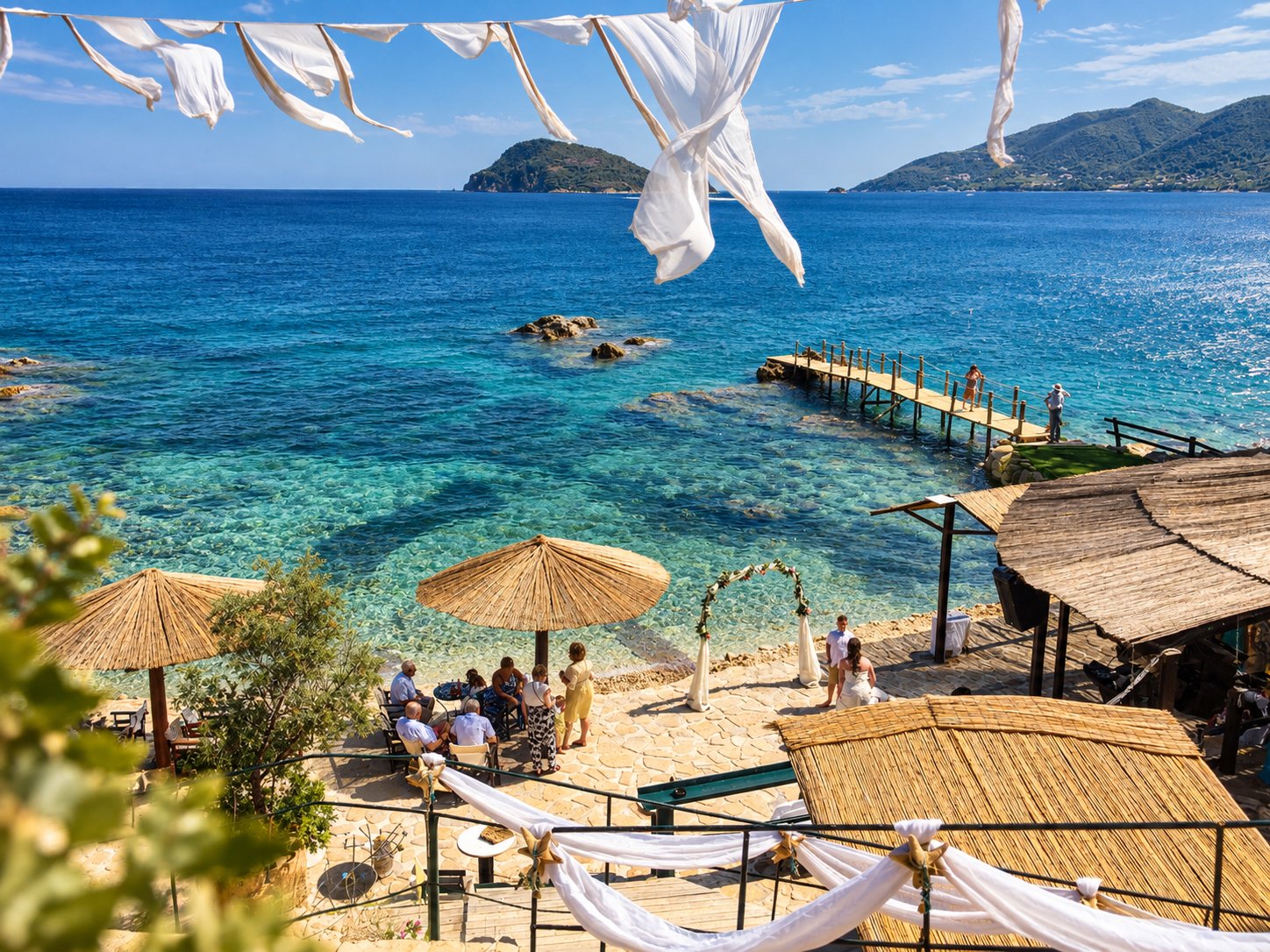
June is one of the most versatile months for traveling around Greece.
The days are long, temperatures are rising, and most tourist infrastructure is already operating at full capacity.
In many places, daytime temperatures are around 28–31°C (82–88°F), although both cooler periods and considerably hotter weather can occur.
Sea temperatures depend on the region and the time of the month, but in many places they are around 22–24°C (72–75°F).
Why Visit Greece in June?
-
plenty of sunshine,
-
the sea is considerably warmer than in May,
-
long days,
-
most attractions are operating normally,
-
the tourist season is well underway,
-
generally smaller crowds than in July and August.
June is also an excellent month for a road trip.
September — Warm Seas and a More Relaxed Atmosphere
September has one major advantage: the sea is usually at its warmest after the summer months.
Air temperatures often remain very pleasant, and many regions can see daytime temperatures around 27–30°C (81–86°F), although this is not guaranteed every year.
Sea temperatures can reach around 25–26°C (77–79°F), particularly in southern Greece and on the more popular islands.
September is a good choice for travelers who want to:
-
spend plenty of time at the beach,
-
swim in warm water,
-
go diving,
-
enjoy sightseeing without the biggest summer crowds,
-
travel with children outside the busiest period,
-
enjoy restaurants and attractions that are still operating at full capacity.
The Second Half of September on the Southern Islands
If you are planning a vacation toward the end of September and your priority is swimming in the sea, consider Crete, Rhodes, Kos, or Karpathos.
The southern location of some of these islands can help summer-like conditions continue into early fall.
That does not guarantee the same weather every year, however. During the second half of September, local weather conditions become increasingly important.
Renting a Car Outside High Season
In June and September, car availability may be better than during the busiest weeks of summer.
Before booking, carefully check the insurance terms, the required deposit, and the deductible.
May — Green and More Peaceful Greece
If you dislike temperatures above 30°C (86°F), May can be much more comfortable than the middle of summer.
In May, many regions still have a distinctly springlike landscape.
Daytime temperatures can be very pleasant—often around 23–26°C (73–79°F)—although the weather is more changeable than in June.
The sea, however, is noticeably cooler. In many regions, water temperatures are around 19–20°C (66–68°F), although they vary depending on the location.
That makes May an excellent month for sightseeing, but not necessarily the best choice for travelers whose top priority is swimming in the sea every day.
May Is Particularly Well Suited To:
-
Athens,
-
the Peloponnese,
-
Crete,
-
road trips,
-
hiking,
-
archaeological sites,
-
mountain and gorge excursions.
October — A Warm Fall
October can be very pleasant, especially in southern Greece.
In Crete, Rhodes, and the Peloponnese, you can encounter days suitable for both sightseeing and beach time.
Sea temperatures in some southern regions can still be around 22–23°C.
At the same time, keep in mind that October is an autumn month.
As the month progresses:
-
days become shorter,
-
the chance of rain increases,
-
some seasonal restaurants may close,
-
ferry services may become less frequent,
-
weather in the north of the country may be more changeable.
In October, Choose Places That Operate Year-Round
If you are traveling in the second half of October, check whether your chosen destination is a typical seasonal resort.
In terms of year-round infrastructure, consider:
-
Crete,
-
Rhodes,
-
Corfu,
-
Athens,
-
Thessaloniki,
-
larger cities and towns inhabited year-round.
Before traveling, also check current ferry schedules and attraction opening hours.
Winter in Greece — November, December, January, February, and March
Greece in winter looks completely different from the images you see in summer travel brochures.
Popular tourist islands become quiet, and some hotels and restaurants close for the winter, but cities and towns that are inhabited year-round continue to operate normally.
In Athens and Thessaloniki, you can experience a more everyday side of the country.
Winter Weather
In southern Greece and Athens, temperatures are considerably milder than in Northern Europe, but during the winter, you should not expect constant sunshine or beach weather.
Snow occurs in the mountains, and Greece also has ski resorts.
What to Do in Greece in Winter?
-
explore Athens,
-
visit museums,
-
experience Greek cuisine,
-
travel around the mainland,
-
visit mountain towns,
-
go skiing,
-
experience local life without the summer crowds.
Weather in Greece Month by Month
| Month | Air Temperature | Water Temperature | Crowds | Prices | Best For |
|---|---|---|---|---|---|
| April | approx. 20–22°C (68–72°F) | approx. 16–18°C (61–64°F) | Low | Low | Sightseeing, nature |
| May | approx. 23–26°C (73–79°F) | approx. 19–20°C (66–68°F) | Low | Low–medium | Hiking, road trips |
| June | approx. 28–31°C (82–88°F) | approx. 22–24°C (72–75°F) | Moderate | Medium | Beach time, sightseeing |
| July | approx. 33–37°C (91–99°F) | approx. 25–26°C (77–79°F) | High | High | Beach time, water sports |
| August | approx. 33–38°C (91–100°F) | approx. 26–27°C (79–81°F) | Particularly high | Highest | Beach time, nightlife |
| September | approx. 27–30°C (81–86°F) | approx. 25–26°C (77–79°F) | Moderate | Medium | Beach time, swimming |
| October | approx. 23–25°C (73–77°F) | approx. 22–23°C (72–73°F) | Low | Medium–low | Sightseeing, southern islands |
| November | approx. 15–20°C (59–68°F)* | approx. 19–21°C (66–70°F)* | Low | Low | Cities, cuisine |
| December–March | approx. 12–17°C (54–63°F)* | approx. 15–18°C (59–64°F)* | Low | Low | City breaks, mountains |
* These figures are approximate and can vary significantly between Athens, Crete, the Aegean islands, the Ionian Sea, and northern Greece.
Weather data source: The climate data used in this guide can be verified through the Hellenic National Meteorological Service (HNMS), Greece's official meteorological service. HNMS publishes information on temperature, precipitation, sunshine, wind, and other weather conditions. Check HNMS climate data
When to Visit Greece Based on the Type of Vacation
| Trip Type | Recommended Months | What to Keep in Mind |
|---|---|---|
| Beach vacation | June–September | Good conditions for swimming |
| Warm sea | July–September | Highest water temperatures |
| Sightseeing | April–June, September–October | It can be very hot around midday in summer |
| Trekking | April–May, September–October | Conditions in the mountains can differ from those by the sea |
| Road trip | May–June, September–October | Milder temperatures |
| Family vacation | June, September | A good balance between temperatures and crowds |
| Diving | June–September | Warm water and good visibility, depending on the region |
| Nightlife | July–August | The most clubs and events are open |
| Quiet vacation | May, June, September, October | Less activity than during the high season |
| City break | October–May | More comfortable temperatures for exploring cities |
Approximate Prices in Greece — What Is the Season Like?
| Period | Weather | Water Temperature | Crowds | Accommodation Prices | Infrastructure Availability |
|---|---|---|---|---|---|
| April–May | Warm but changeable | Cool | Low | Low–medium | Increasing |
| June | Summer-like | Pleasant | Moderate | Medium | High |
| July | Very hot | Warm | High | High | Full |
| August | Very hot | Very warm | Particularly high | Highest | Full |
| September | Warm | Very warm | Moderate | Medium | High |
| October | Pleasant | Pleasant | Low | Medium–low | Declining |
| November–March | Cooler and changeable | Cool | Low | Low | Limited on seasonal islands |
When to Visit Greece for a Beach Vacation
If your main goal is spending time at the beach and swimming in the sea, the period from June through September is generally the best one to consider.
June
The sea starts to become genuinely comfortable for swimming, while air temperatures are already typically summer-like.
July
The weather is very warm and sunny. The sea is warm as well, but crowds and prices are higher.
August
This is the hottest period of the year, with very warm sea temperatures. At the same time, it is the peak of the tourist season.
September
The sea remains very warm, the weather is still summer-like, and the overall atmosphere is usually more relaxed.
October
The best beach conditions are more likely to be found on the southern islands, especially during the first part of the month.
Water Temperature in Greece — When Is the Water Warmest?
| Month | Approximate Water Temperature | Swimming Comfort |
|---|---|---|
| April | 16–18°C (61–64°F) | Cool for most people |
| May | 19–20°C (66–68°F) | Refreshing |
| June | 22–24°C (72–75°F) | Pleasant |
| July | 25–26°C (77–79°F) | Very comfortable |
| August | 26–27°C (79–81°F) | Very warm |
| September | 25–26°C (77–79°F) | Very comfortable |
| October | 22–23°C (72–73°F) | Pleasant, especially in the south |
| November | approx. 19–21°C (66–70°F) | Cool for most people |
| December–March | approx. 15–18°C (59–64°F) | Cool |
The temperatures given in this article are approximate. Greece has considerable regional climate differences, so actual conditions can vary between different regions and islands.
When to Visit Greece for Sightseeing
If you are primarily planning to visit historical sites, take road trips, and spend a lot of time outdoors, the middle of summer is not always the most comfortable option.
The months that are particularly worth considering are:
April, May, June, September, and October.
In spring, an additional advantage is the landscape and greenery, while in fall, one of the biggest benefits is the warm sea.
When to Visit Greece for Hiking
For hiking and trekking, it is worth choosing periods when temperatures have not yet reached extreme levels.
Depending on the route and elevation, the following months can be particularly suitable:
-
April,
-
May,
-
early June,
-
September,
-
October.
On mountain trails, always check current conditions before setting out, because weather in the mountains can be significantly different from conditions along the coast.
When to Visit Greece With Kids
Families traveling with children often choose June or September.
The reasons are practical:
-
it is still warm,
-
the sea is suitable for swimming in many regions,
-
you can avoid some of the most extreme heat,
-
beaches may be quieter than they are in August.
If school vacation is the only time you can travel, July and August also provide full tourist infrastructure.
For families with young children, it is particularly important to avoid the hottest part of the day and provide adequate protection from the sun.

When Is Greece Cheapest?
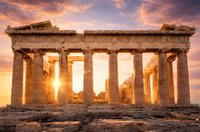
The lowest prices can generally be found outside the main tourist season.
However, lower prices often come with reduced services and seasonal closures, especially on the islands.
In November or February, accommodation prices can be very attractive, but some seasonal hotels, restaurants, and attractions on the islands may be closed.
For travelers looking for a good balance between prices and weather conditions, the following periods may therefore be more appealing:
-
May,
-
early June,
-
September,
-
October.
Prices, of course, depend on the specific island, the standard of the accommodation, the booking date, and local demand.
When Does Greece Have the Most Tourists?
The busiest tourist period in Greece is usually July and August.
The following destinations can be particularly crowded:
-
Santorini,
-
Mykonos,
-
Rhodes,
-
Crete,
-
Corfu,
-
Zakynthos,
-
popular beaches and attractions on the Greek mainland.
If you want a more peaceful vacation, consider traveling in June, September, or during the off-season.
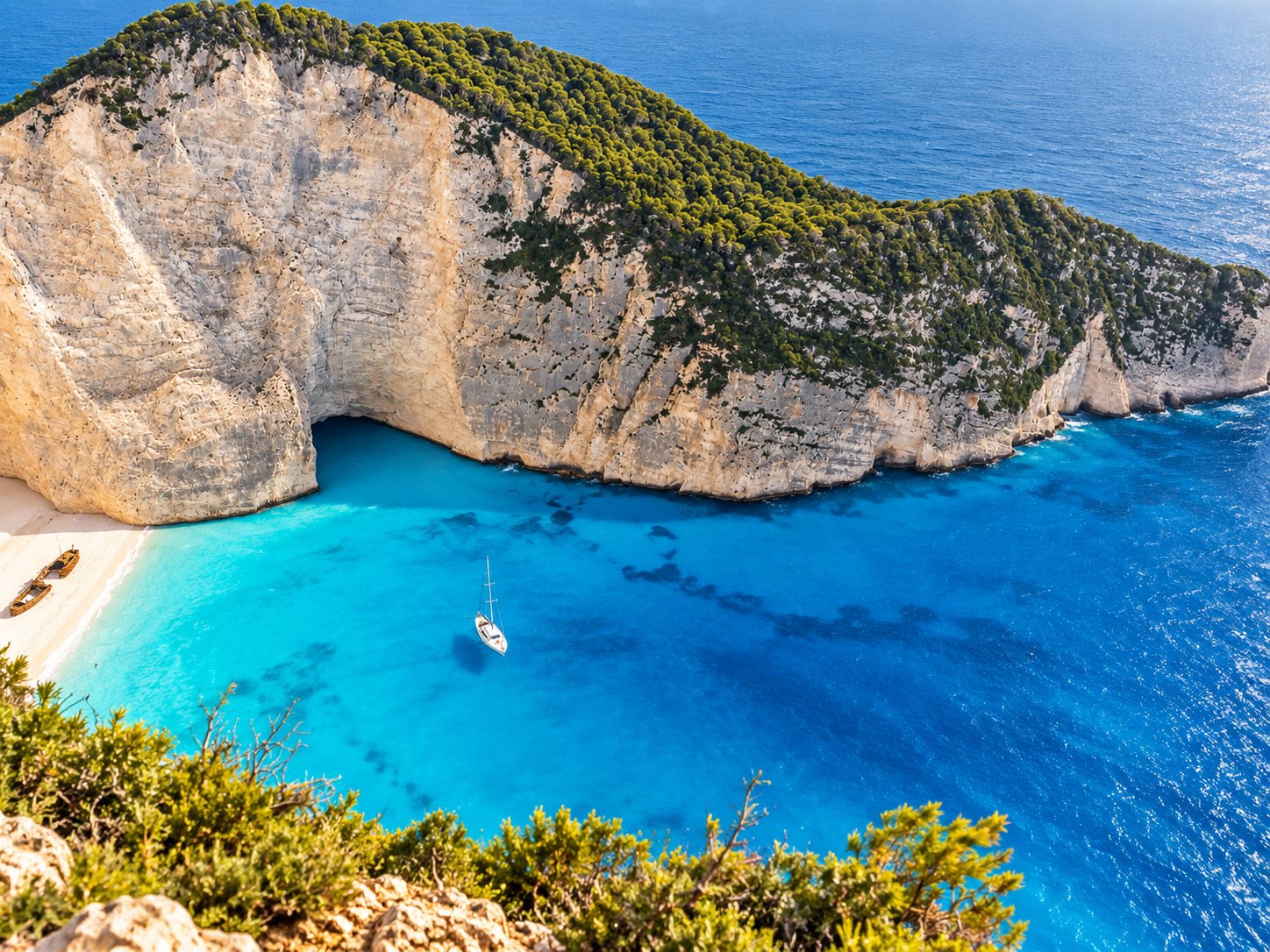
When to Visit Crete?
Crete is one of the most versatile destinations in Greece.
Because of the island’s large size, you can combine:
-
beach time,
-
mountains,
-
hiking,
-
historical sites,
-
small towns,
-
food,
-
car rental.
For a beach vacation, June–September, and even early October, are particularly appealing.
May can also be an excellent month for hiking and sightseeing.
When to Visit Rhodes?
Rhodes is located in southeastern Greece and can offer excellent weather even outside the heart of summer.
For a beach vacation, consider:
June, July, August, and September.
If you would like to combine sightseeing with outdoor activities, June and September can be especially comfortable because temperatures are generally lower than in July and August.
When to Visit Corfu?
Corfu is located in the Ionian Sea and has a wetter climate than many of the Aegean islands.
In spring, the island can be especially green, making May and early June appealing for nature lovers and sightseers.
For beach time, the summer months and early fall are generally better.
When to Visit Santorini?
Santorini is especially popular during the spring and summer season and in early fall.
If you want swimming and full tourist operations, these months are especially suitable:
-
June,
-
July,
-
August,
-
September.
During the high season, expect large crowds and high prices.
If your main goal is sightseeing and photography, late spring or September may be more comfortable.
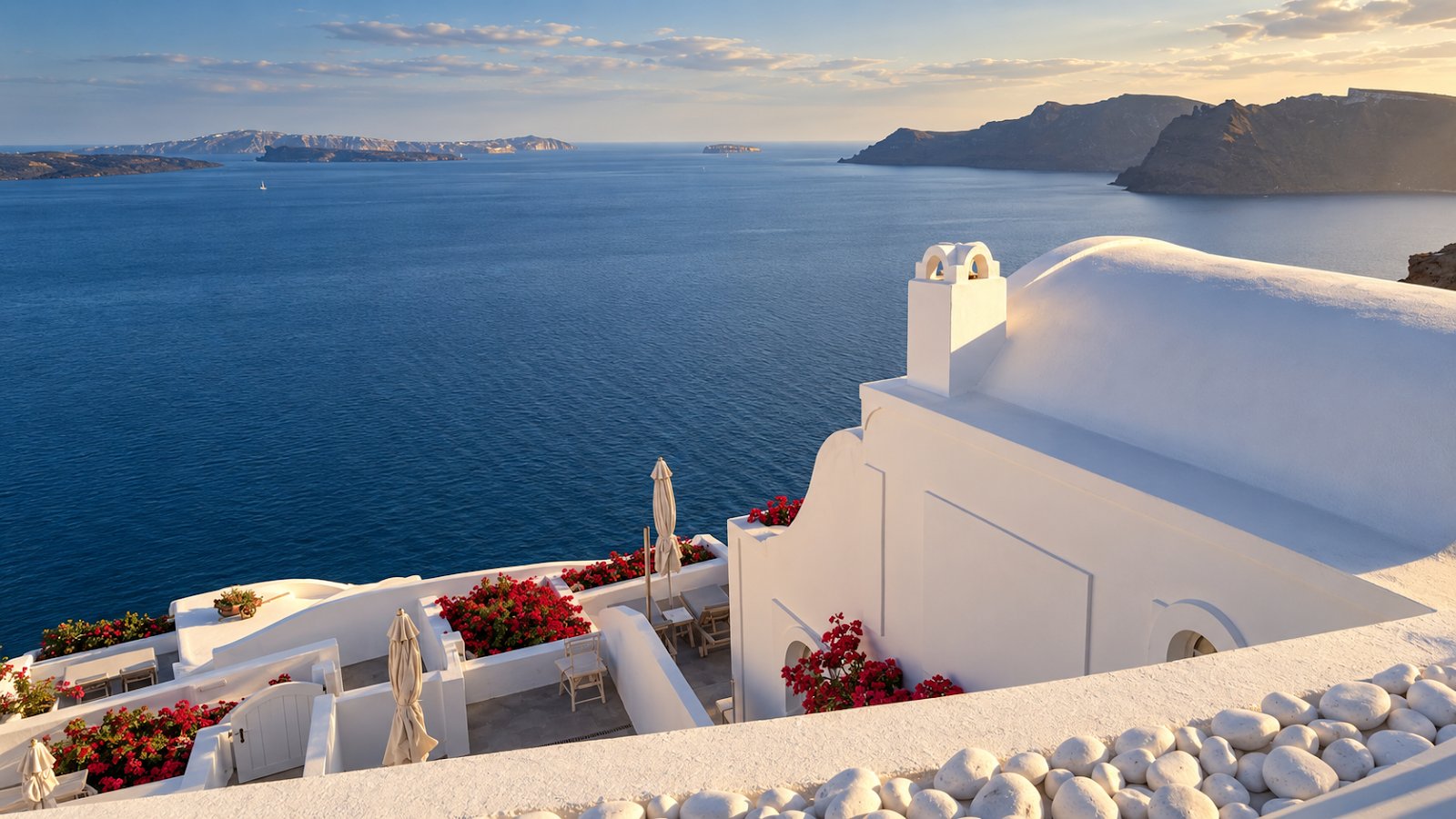
When to Visit Mykonos?
Mykonos is especially known for its beaches, restaurants, and nightlife.
The busiest season falls during the summer months.
If you want the full range of tourist services and nightlife, consider June–September.
If you mainly want to explore and photograph the island with fewer tourists, consider traveling outside the high season.
When to Visit the Peloponnese?
The Peloponnese is a great region for combining beaches, history, and a road trip.
Here you can visit:
-
ancient archaeological sites,
-
mountain towns,
-
coastal resorts,
-
small villages,
-
bays and beaches.
For a road trip, April, May, June, September, and October are particularly appealing.
You can also explore the Peloponnese during the summer, but in July and August you need to take the high temperatures into account.
When to Visit Kos?
Kos is popular with travelers interested in beaches, cycling, and water sports.
The typical beach-vacation season is June–September.
Keep in mind that wind conditions can affect the beach and sea depending on the location and the day.
When to Visit Karpathos?
Karpathos is a good choice for travelers looking for beaches, nature, and a more relaxed atmosphere.
For a typical beach vacation, consider June–September.
The island can also appeal to water-sports enthusiasts, but check local wind conditions before choosing a specific beach.
Greek Islands — When to Visit?
| Destination | Best Time | Main Advantage | What to Watch For |
|---|---|---|---|
| Crete | May–October | Beaches, mountains, historical sites, and a long tourist season | Large island — weather varies by region |
| Rhodes | June–October | Warm climate and beaches | July–August can be very hot |
| Corfu | May–September | Green landscapes, beaches, and nature | More rainfall than on many Aegean islands |
| Santorini | May–October | Views, sunsets, and architecture | Very crowded during the high season |
| Mykonos | June–September | Beaches and nightlife | High prices during the season |
| Kos | June–September | Beaches, cycling, and water sports | Wind can affect conditions by the sea |
| Karpathos | June–September | Beaches, nature, and a more relaxed atmosphere | The meltemi can be noticeable |
| Peloponnese | April–October | Historical sites, beaches, and road trips | Significant differences between the coast and the mountains |
When to Visit Greece Without the Crowds
If you want to experience Greece in a more relaxed atmosphere, the periods worth considering first are:
May, early June, September, and October.
It is also worth visiting the most popular attractions in the morning, when they are often less crowded.
Another good approach is to combine popular destinations with lesser-known towns and beaches.
How to Avoid the Worst Heat in Greece
If you do not handle high temperatures well, you do not have to give up on visiting Greece.
Instead of July and August, you can consider:
-
May,
-
the first half of June,
-
September,
-
October.
During the summer, it is best to plan sightseeing for the morning or late afternoon and avoid prolonged exposure to the sun during the hottest hours of the day.
Summary — Which Month Should You Choose?
| Month | Choose It If… | Don’t Choose It If… |
|---|---|---|
| April | You want to sightsee and hike | You want warm seas |
| May | You want active travel and fewer crowds | Daily swimming is your top priority |
| June | You want to combine beach time with sightseeing | You dislike increasing tourist activity |
| July | You want heat, beaches, and nightlife | You do not tolerate hot temperatures well |
| August | You want the high-season experience and very warm seas | You dislike crowds and high prices |
| September | You want warm seas and a more relaxed vacation | You are looking for spring greenery |
| October | You want to sightsee while still having a chance to enjoy the beach | You need consistently summery weather |
| November–March | You want to experience Greece outside the main tourist season | You are looking for a classic beach vacation |
Prices in Greece — What Really Determines the Cost of a Vacation?
The month you travel is not the only factor that affects the price of a vacation.
The total cost of your trip depends on factors such as:
-
the island you choose,
-
distance from the beach,
-
hotel standard,
-
booking date,
-
length of stay,
-
type of transportation,
-
car rental,
-
popularity of the destination.
Santorini and Mykonos, for example, can cost very differently from less-touristy destinations on the mainland.
That is why, when comparing different months, it is better to talk about price trends rather than one universal vacation price.
Fees Associated With Staying in Greece
When planning your budget, you should also take into account the applicable fees associated with staying at accommodation properties in Greece.
The amount depends on the type and standard of accommodation as well as the current regulations.
Before booking, check the current rates that apply for the year of your trip, since regulations and fee amounts can change.
It is best to treat this amount as a separate budget item rather than assuming that it is always included in the room price.
What to Pack for a Greek Vacation
Regardless of which month you visit, it is a good idea to pack:
-
SPF 30 or SPF 50 sunscreen,
-
sunglasses,
-
a hat or other sun protection,
-
comfortable shoes,
-
lightweight clothing,
-
a reusable water bottle,
-
a basic first-aid kit.
For rocky beaches, water shoes can also be useful. Some coves have sharp rocks or sea urchins.
In spring and fall, it is also worth bringing a light jacket or sweatshirt for cooler evenings.
Payments in Greece — Cash or Card?
In tourist areas, credit and debit cards and mobile payments are widely used.
Even so, it is a good idea to carry some cash with you.
Cash can be especially useful for:
-
shopping at local markets,
-
small purchases,
-
tips,
-
visiting smaller towns,
-
situations where a card terminal is temporarily not working.
There is no need to assume that you will have to pay exclusively in cash throughout your vacation.
Is It Worth Visiting Greece Off-Season?
Yes, but you need to adjust your expectations.
Greece in November will not look like Greece in August.
Instead of spending every day at the beach, you can enjoy:
-
quieter streets,
-
fewer tourists,
-
easier access to historical sites,
-
lower prices at some accommodations,
-
a more local atmosphere,
-
the opportunity to explore cities at a relaxed pace.
Places that operate year-round are generally the best choices during this period.

related article
Anafiotika: Hidden Cycladic Village in Athens - How to Get There
placehttps://grandpl.com/en/greece/article/which-acropolis-ticket-should-i-buy/
Frequently Asked Questions — When to Visit Greece?
Which month is best for a vacation in Greece?
For many travelers, June and September offer a good balance. They generally provide excellent conditions for beach time while allowing you to avoid some of the extreme heat and largest crowds associated with the peak of summer.
When is Greece hottest?
The highest temperatures can generally be expected in July and August. During heat waves, temperatures can exceed 40°C (104°F) in some regions.
When is the sea in Greece warmest?
The sea is generally warmest in July, August, and September, although water temperatures vary depending on the region.
Can you swim in Greece in September?
Yes. September is one of the most appealing months for swimming because the sea remains warm after the summer.
Can you swim in Greece in October?
Yes, especially on the southern islands and during the first part of October, when you can still find very good conditions for swimming. However, the weather is more changeable than in summer.
Is May a good month for Greece?
Yes, especially if you are interested in sightseeing, hiking, nature, and road trips. However, the sea may be too cool for comfortable daily swimming for many people.
When is Greece cheapest?
The lowest prices can usually be found outside the high season, especially from late fall through spring. If you'd like to combine lower prices with good weather, compare offers for May, early June, September, and October.
When to Visit Greece Without the Crowds
May, early June, September, and October are good options. The busiest period is generally July and August.
When to Visit Greece for a Beach Vacation
The typical beach season is June–September, while good swimming conditions can also continue into October on the southern islands.
When to Visit Crete?
For beach time, June–September are especially suitable, while May and October can be excellent choices for sightseeing and active vacations.
When to Visit Rhodes?
The typical beach season runs from June through September. Because of the island's location, good conditions can also continue outside the high season.
When to Visit Corfu?
May and June are appealing for travelers who want to see the island at its greenest in spring, while the summer months and early fall are generally better for beach time.
When to Visit Santorini?
For swimming and full tourist operations, June–September are especially suitable. If your main goal is sightseeing and photography, late spring or September may be more comfortable.
Does Greece make sense in winter?
Yes, if you are interested in culture, food, cities, mountains, and slower-paced travel. Winter is not the right time for a typical beach vacation.
Summary — When Should You Visit Greece?
There is no single ideal month for every traveler.
If you want beach time and warm-water swimming: choose June, July, August, or September.
If you want a good balance of weather, sea temperatures, and crowds: consider June or September.
If you'd like to sightsee and travel actively: choose April, May, June, September, or October.
If you'd like to avoid the biggest crowds: aim for May, early June, September, or October.
If low prices are your main priority: look for deals outside the main tourist season, but keep in mind that some seasonal businesses and services on the islands may not be operating.
If you love the heat and nightlife: July and August offer the most intense summer atmosphere, with the highest temperatures and the liveliest nightlife.
The most important rule is simple: don't choose a month based on air temperature alone. In Greece, sea temperature, region, wind conditions, crowd levels, prices, and the availability of tourist infrastructure can all make a significant difference to your experience.
So before booking, ask yourself one question:
What matters most to me — warm seas, beach time, sightseeing, low prices, fewer crowds, or an active vacation?
Your answer will help you choose the time of year that best fits your travel style.
How Was This Guide Created?
Information about Greece’s climate and seasonality was compiled using meteorological data and information published by Greek institutions. When assessing individual months, we considered not only air temperature but also water temperature, rainfall, wind, the tourist season, infrastructure availability, and typical regional differences.
The temperatures and seasonal information provided are approximate. Conditions may vary between Crete, Rhodes, Corfu, the Cyclades, the Peloponnese, and northern Greece, and they can also change from year to year.
Climate data can also be verified through the [Hellenic National Meteorological Service (HNMS)], while information about tourism and climate can be found on the official [Visit Greece] website.