Why Greece Stops Today: The Deep Meaning Behind the February 28 Nationwide Strike
- Every February 28, Greece marks the anniversary of the Tempi tragedy with a massive nationwide strike across all sectors.
- Major travel disruptions occur annually; airlines and ferry companies usually freeze operations for 24 hours.
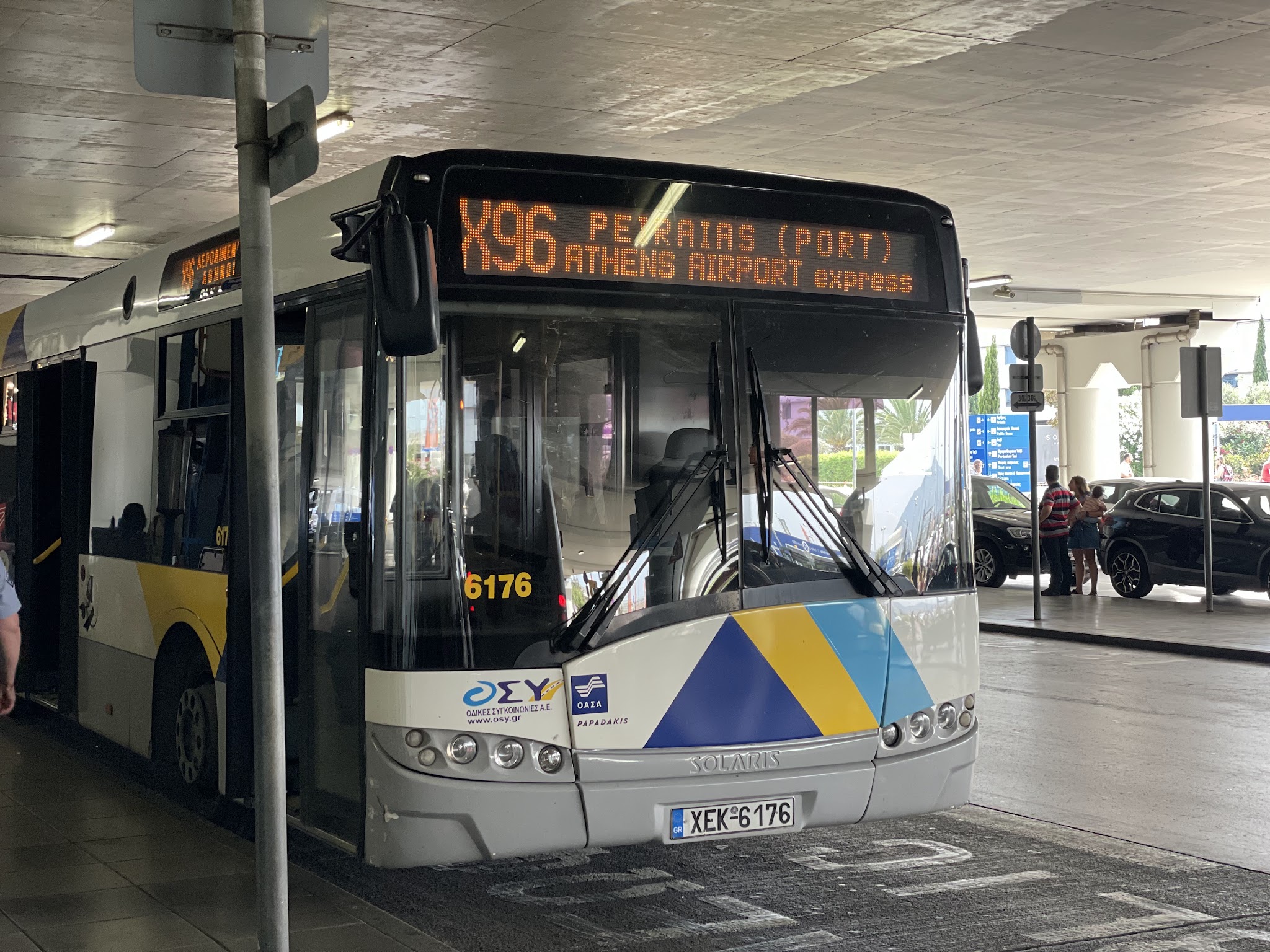
- Public transportation, including Athens Metro and local buses, operates on limited 'protest schedule'.
- Tourists should check their flight and ferry refund policies early to avoid high cancellation fees in 2026.
- The strike is a deep cultural moment of remembrance; expect many local shops and monuments to remain closed.
On February 28, 2026, Greece will come to a standstill. Public transportation, airports, ports, schools, and hospitals - everything will pause for a moment. This is not just an ordinary strike. It is a day when Greeks unite to commemorate one of the greatest railway tragedies in the country's history and remind the world of its lasting impact.
Three years after the Tempi train disaster, which claimed 57 lives, Greek society continues to demand answers. Has everything been done to ensure such a tragedy never happens again? Is public transportation in Greece safer today than it was three years ago? Have the promises made in the aftermath been kept? The strike on February 28 is more than a memorial; it is a powerful expression of social unrest—a collective voice demanding fundamental change.
Why Is Greece Striking?
On February 28, 2023, Greece was shaken to its core. A head-on collision between a passenger train and a freight train in Tempi resulted in the deaths of 57 people and left countless others injured. The victims were primarily young people and students returning from a long holiday weekend.
In the wake of the crash, the nation united in grief and anger. Thousands took to the streets demanding accountability and reform. While the government promised swift action to upgrade transit safety, many Greeks feel those questions remain unanswered today. Is the Greek rail system truly secure? The February 28 strike serves as a stark reminder that the public has not forgotten, and they won't stop until passenger safety is guaranteed.
A Tragic Chapter in Greek History
For many Greeks, the name "Tempi" evokes deep sorrow. Located in northern Greece at the foot of Mount Ossa and Mount Olympus, this region has been the site of multiple tragedies. Before the 2023 rail disaster, the Tempi Valley tragedy of 2003 left a permanent scar on the national psyche. In that accident, a bus carrying students home from a school trip collided with a truck carrying heavy aluminum sheets, resulting in the deaths of 21 children.
Because of this history, Tempi has become a symbol of immense national pain. The February 28, 2026 strike honors all those who lost their lives in these preventable tragedies. During protests across Greece, several powerful messages are echoed by the crowds:
- “Never Again Tempi”
- “For Those Who Are No Longer With Us”
- “I Can’t Breathe” (a reference to the final moments of the victims)
- “Memory and Justice”
- “Safety Above All”
Which Sectors Are Affected by the Strike?
On February 28, the entire country will feel the effects of the shutdown. Key sectors participating in the action include:
- Public Transportation: The metro, trams, and buses will operate on a very limited schedule to allow people to reach protest sites, but movement will be paralyzed for most of the day.
- Airports and Ports: Many domestic and international flights will be canceled or delayed, and ships will remain docked in harbors.
- Schools and Universities: Teachers and students will join the demonstrations, leaving many educational institutions closed.
- Healthcare: Hospitals will operate on emergency staff only, attending solely to urgent cases.
- Retail and Services: Many local businesses and shops will close their doors in a gesture of solidarity.
This is not a strike by a single professional group; it is a mass movement uniting all levels of Greek society.
Looking Forward
The February 28 strike isn't just a protest against the past; it’s an appeal for the future. It calls for a Greece where safety is the absolute priority and where infrastructure is developed to protect every passenger. By stopping everything for a day, Greece proves it remembers and will not let the Tempi tragedy fade into a mere memory. This strike is a demand for the accountability and responsibility required to ensure such a heartbreak never happens again.
Common Questions About the February 28 Strike (FAQ)
1. Why is the strike taking place on February 28?
The date is highly symbolic - it marks the anniversary of the tragic 2023 Tempi train disaster. The strike serves a dual purpose: it honors the 57 lives lost and keeps pressure on the government to fast-track long-promised transportation safety reforms. For Greeks, it’s a day of accountability, not just protest.
2. Will ferries to the Greek islands be running?
Typically, no. Most port worker unions join the walkout, which usually results in a 24-hour shutdown of all ferry services. If you have an island-hopping trip planned, it is critical to contact your ferry operator immediately to check for rebookings or cancellations.
3. Is it safe for tourists during the protests?
Yes, it is generally safe for travelers. However, to avoid delays or getting caught in heavy crowds, you should bypass major demonstration hubs like Syntagma Square in Athens or university districts. While the rallies are massive and peaceful, the sheer volume of people can make navigating city centers difficult during the afternoon hours.