Where is the Acropolis and How to Get There? Guide: Entry & Transport
- In 2026, a strict time-slot system is in place – booking your tickets online in advance is mandatory.
- The fastest way to arrive is via metro line M2 (Acropolis station) or apps like FreeNow, Uber, and Bolt.
- City center parking can cost up to 20 EUR for the first hour; we recommend the Park & Ride at Syngrou-Fix station.
- For individual tourists, the South Entrance (near the Museum) is the best bet for shorter security lines.
The Acropolis of Athens (Greek: Ακρόπολη Αθηνών) is arguably the most significant landmark on the Greek tourism map. This monumental rocky plateau rises 157 meters above sea level and dominates the city skyline, located just 2.9 miles (4.7 km) from the blue Attica coast. It is not just a strategic geographical point but, above all, the heart of the ancient world inscribed on the prestigious UNESCO World Heritage list.
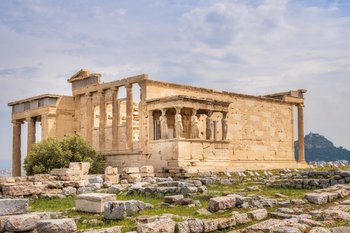
As Europe's most important archaeological masterpiece, the Acropolis is a symbol of Ancient Athens' power. It was here, following the birth of the world's first democracy, that the Athenians built wonders like the Parthenon, the Erechtheion, and the Temple of Athena Nike - structures that continue to awe visitors with their scale and precision. Today, thousands of years after the victory over the Persians, the Acropolis still hypnotizes travelers from around the globe with its history, culture, and unique energy.
Planning to visit Athens in 2026? A trip to the "Sacred Rock" requires solid logistics—from buying tickets online to choosing the right entry time. We have prepared a complete guide and essential practical info to help you skip the crowds, manage your time, and fully experience the magic of this ancient complex.

Location: Where exactly is the Acropolis located?
The heart of Ancient Athens beats on a rocky hill surrounded by the city's most important monuments and charming neighborhoods. Getting your bearings is key to planning an efficient walk to the Parthenon.
-
From the South: The Acropolis borders the prestigious, pedestrian-only promenade on Dionysiou Areopagitou Street. This is where the modern Acropolis Museum is located, and walking this route offers breathtaking views of the ancient fortifications.
-
From the East and North: The slopes descend toward picturesque Plaka and the fairy-tale settlement of Anafiotika, which looks just like a Cycladic island village. This is where the historic streets of Thrasyllou and Stratonos intersect.
-
From the West: The boundary is marked by the majestic Odeon of Herodes Atticus - an ancient theater that still hosts world-class concerts. Right next to it lies Areopagus Hill, the best free viewpoint in the city.
-
From the Northwest: The complex sits directly adjacent to the Ancient Agora, the former center of Athenian public life.
Acropolis Entrances: Where to start your visit?
Choosing the right starting point can save you dozens of minutes in line. There are two main access points to the archaeological site:
-
Main Entrance (Western) - For groups and buses Located on the western slope, near Theorias Street. This is where most organized tours head.
-
Pros: Leads directly to the monumental Propylaea, offering that "wow factor" from the first minute.
-
Cons: During peak season (10:00 AM - 2:00 PM), it sees the largest crowds and bottlenecks.
-
-
South Entrance (Side) - Recommended for individual travelers Located at the intersection of Thrasyllou Street and the Dionysiou Areopagitou promenade. You’ll find it right by the Acropolis metro station.
-
Pros: Shorter security lines and the chance to see the Theater of Dionysus on your way up.
-
How much time to spend at the Acropolis?
The time spent on the "Sacred Rock" depends on your pace, but we standardly recommend dedicating 1.5 to 2 hours for a full tour of the complex.
However, keep in mind the 2026 rules:
-
Time Slots: The current booking system is based on 2-hour windows. This means you must arrive at the gate exactly during your chosen time slot to avoid entry issues.
-
Photography: If you plan on an extensive photo session at the Parthenon or want to enjoy the panoramic view of Athens, aim for the upper limit of the recommended time.
-
Security Lines: In peak season, just passing through ticket control can take 15 to 30 minutes, so factor this into your overall schedule.
To check current options and pricing, see our guide: [Acropolis Tickets 2026 – Prices and Booking].
How to get to the Acropolis? Practical Transport Guide
Getting to the Acropolis is incredibly simple thanks to the well-developed public transport network. Your choice depends on which part of Athens you are coming from.
Athens Metro: The fastest and most convenient option
Taking the Athens metro is undoubtedly the best way to avoid traffic and reach your destination directly.
Step by step – which line to choose?
-
Line 2 (Red): "ACROPOLIS" Station (M2). The most convenient choice. The station is steps away from the South Entrance and the Acropolis Museum. You'll arrive in the heart of the historic Makrygianni district.
-
Line 1 (Green): "THESEIO" Station (M1). Ideal for a longer, scenic route. You'll walk via the Apostolou Pavlou promenade, passing the Ancient Agora, which is a perfect introduction to the city's ancient vibes.
-
Line 3 (Blue): "MONASTIRAKI" Station (M3). The best option if you want to combine your visit with a walk through the lively Monastiraki square and the narrow streets of Plaka.
Important Safety Note: While the metro is safe and modern, popular tourist routes (especially the blue line from the airport) are active spots for pickpockets. Remember to wear your backpack in front and keep an eye on your documents and phone.

Bus, Tram, and Trolleybus: Alternative Travel Options
For those who prefer surface transport and want to see the city's architecture along the way, Athens offers a dense network of bus and trolleybus lines. This is an excellent way to reach the historic center directly.
-
Buses: The most popular lines stopping near the Acropolis are 230 (passing key tourist sites), 227, and 856. If coming from the southern suburbs, choose the express A2 or A3 lines.
-
Trolleybuses: Several lines head toward the "Sacred Rock," including 1, 2, 4, 5, 11, 12, and 15. Most cross Syntagma Square, followed by a short, scenic walk.
-
Tram: Line T6 is a great option for those staying in the coastal districts (Athens Riviera). It drops you near the Panathenaic Stadium and Syntagma Square.

.png)
Taxis, Uber, and Bolt in Athens: Comfort and Safety
Athens taxis are iconic - they are bright yellow and available everywhere. It's the most comfortable way to get dropped off right by the entrance of the archaeological site.
-
Uber and FreeNow: In Greece, the Uber app works with licensed taxi drivers, ensuring set rates and a safe ride. Other popular and recommended apps are FreeNow and Bolt. Using these services helps avoid pricing confusion and is highly recommended for international tourists.
-
Accessibility: Drivers can easily take you to Dionysiou Areopagitou Street or the Main Entrance, which is ideal for seniors or families with kids.
Traveling by Car: What you need to know about parking
Driving into the heart of Athens is a challenge for the patient. If you choose to use your own or a rental car, be prepared for costs and limited spaces.
-
Paid Parking: Near the Acropolis, you'll find several commercial garages. In 2026, prices typically range from 10-15 EUR and even 20 EUR for the first hour and about 2-4 EUR for each subsequent hour.
-
Challenges: Finding free street parking in the summer - especially in Plaka or Koukaki - is nearly impossible and comes with the risk of a fine.
-
Pro Tip: To save time and stress, we recommend leaving your car at a "Park & Ride" garage at a metro station outside the center (e.g., Syngrou-Fix) and taking the train for the final stop.