What Are the Tiny Houses Along Greek Roads? Understanding the Tradition and Safety of Kandylakia
- Kandylakia (eklisakia): Iconic miniature shrines that are a staple of the Greek landscape, representing a deep cultural tradition.
- Symbolism: They serve as memorials for road accidents (In Memoriam) or votive offerings (tamata) expressing gratitude for surviving a crash.
- Safety: For travelers, these shrines act as unofficial warning signs, marking dangerous curves and high-risk zones on mountainous Greek roads.
Whether you are navigating the rugged mountains of Epirus in a rental car or enjoying a luxury transfer along the Athenian Riviera, you cannot miss one of Greece’s most poignant landmarks. These are kandylakia (Gr. καντηλάκια) - small roadside shrines often affectionately called eklisakia (little churches). While they serve as picturesque backdrops for travelers, for Greeks, they represent a sacred intersection of faith and daily life, perched everywhere from bustling metropolises to the sheer, sun-drenched cliffs of the Aegean.
The aesthetics of kandylakia offer a fascinating glimpse into Greek craftsmanship. The materials used often reflect the region’s heritage and the family's resources. You will typically encounter:
- Classic Metal Constructions: Characteristically found in rural villages and remote mountain passes.
- Natural Stone and Marble: Frequently seen in wealthier prefectures, these are often crafted with the same precision as the exteriors of luxury villas.
- Modern Designs: In cities like Athens or Thessaloniki, shrines often feature tempered glass, brass accents, and solar-powered lighting, creating a mystical atmosphere on the road after sunset.


Symbolism: A Map of Memory and Hope
Many travelers ask: What do these tiny houses by the road actually mean? The answer is deeply moving. Kandylakia are a map of memory and hope. Primarily, they serve as memorials for tragic traffic accidents. Where a shrine stands, a drama usually unfolded. Inside, families place icons of patron saints, photographs of loved ones, and oil lamps that are meticulously tended.
However, not every shrine marks a tragedy. Some are votive offerings (tamata), built by survivors of near-fatal accidents as a gesture of gratitude for what they believe was divine intervention.
Safety on the Greek Roads
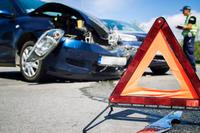
For travelers planning a self-drive tour of Greece, these shrines should be treated as natural warning signs. Over 80% of Greece is mountainous, resulting in roads that are winding, narrow, and often unpredictable.
Despite significant EU-funded investments and the modernization of major highways (such as the Odos Egnatia or Attiki Odos), local routes remain a challenge. Worn pavement, a lack of guardrails on steep cliffs, and the sudden appearance of livestock are real hazards. The prevalence of shrines is a reminder to remain vigilant. If you see several shrines clustered on a single bend, take it as the ultimate warning: Slow down and adjust your speed.
Ritual: The Light That Never Fails
It is striking to find a flickering flame inside a shrine in the middle of nowhere. This is the work of local residents and families who visit regularly. Inside the kandylakii, you will almost always find:
- Kandyli: A small glass vessel filled with olive oil and a floating wick.
- Icons: Most often St. Christopher (the patron saint of travelers) or St. Nicholas.
- Personal Items: A bottle of water, incense, or sometimes small coins.
For many Greeks, stopping to refill the oil is a moment of reflection and a spiritual connection to those who have passed. It is a living tradition that gives Greek roads—despite their dangers—a metaphysical dimension.

As you plan your dream Greek vacation, look upon these shrines with respect. They are not merely folklore; they are a lesson in humility. Drive safely, so your journey through Hellas leaves you with nothing but beautiful memories.
Safe travels!
Frequently Asked Questions (FAQ)
1. Does every roadside shrine in Greece mark a fatal accident?
No. While many are memorials, others are votive offerings. They are placed by those who survived a dangerous incident or wish to give thanks for protection on a specific stretch of road.
2. What are the small houses on the side of the road in Greece called?
The formal name is kandylakia (from kandyli - oil lamp). Locally, they are also called eklisakia, which translates to “little churches.”
3. Is it okay to look inside the shrines?
Yes, it is permissible as long as you show proper respect. Shrines are not locked. However, remember that these are private places of prayer and remembrance for local families.