The 7 Wildest Carnival Traditions in Greece You Need to Experience
- Patras hosts the largest Carnival in Greece with massive parades, secret treasure hunts, and local wine
- Logistics tip: Book accommodations in Galaxidi and Patras months in advance as 2026 festival dates draw international crowds.
- Cost-saving: Enjoy public street parties and open-air bonfires like the 'Tzamales' in Ioannina which are free for all tourists.
- Top Recommendation: Don't miss the 'Venetian Wedding' in Zakynthos for a premium cultural experience featuring 16th-century aristocratic costumes.
Few travelers realize that Greece celebrates Carnival with incredible passion, known locally as Apokries or Apokria (Greek: αποκριά). The literal translation of this term means "abstaining from meat," marking a high-energy period of saying goodbye to carnivory. This festive transition starts in earnest after the delicious, smoke-filled celebrations of Tsiknopempti (the Greek equivalent of Fat Thursday), when the aroma of grilled meats dominates every town square and neighborhood street.
It is a vibrant, three-week festival rooted in ancient traditions that perfectly blends Dionysian joy with the approaching solemnity of Great Lent. For the 2026 season, this period remains one of the most culturally rich times to visit the country. It is a time when Greeks prepare for the upcoming strict fasting period with a final, massive explosion of folk music, elaborate costumes, and public feasts that bring entire communities together.

Carnival in Greece doesn't have a fixed date, but it usually takes place in February, though it can sometimes start in late January or stretch into mid-March. However, it always concludes before the spring equinox on March 21st, signaling the official start of the calendar spring.
How Do Greeks Celebrate Carnival?
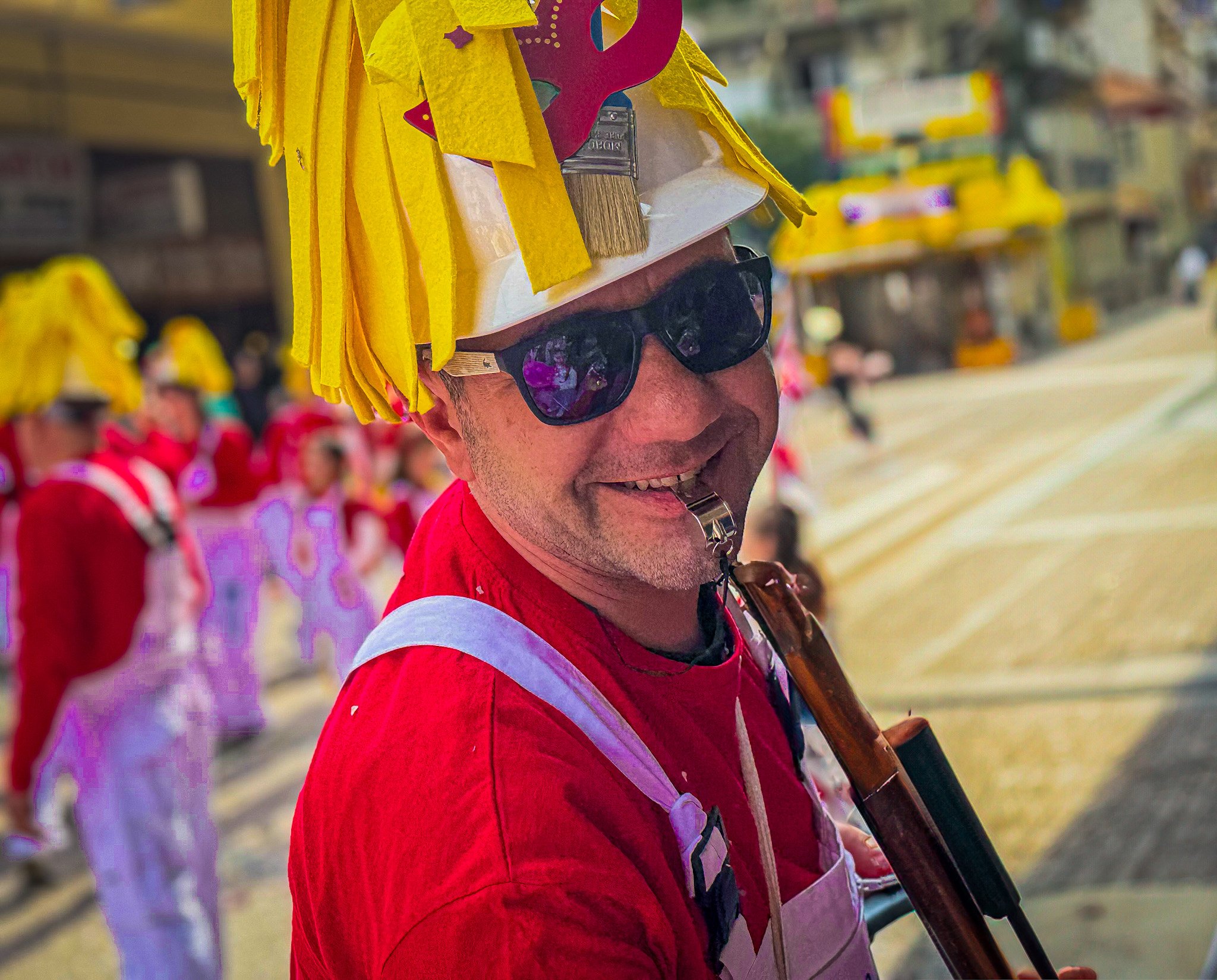
Perhaps the most fascinating part of Greek Carnival is how almost every region, city, and village has preserved its own unique traditions that date back centuries. During parades organized throughout Greece, participants dress up as figures from mythology, history, or even pop culture, dancing and singing to the joyful rhythms of Carnival music. Music, dance, and pure joy fill the streets, drawing in locals and tourists from all over the world. Additionally, Apokries is a time for diverse culinary traditions, mostly centered around rich meat dishes.

One of the most famous customs across Greece is the "gaitanaki" (Greek: γαϊτανάκι), a traditional dance involving thirteen people. One person holds a tall pole with 12 colorful ribbons (called gaitania) attached, representing the twelve months of the year. As they dance in pairs around the pole, they weave the ribbons together, creating a beautiful, intricate pattern. The dance ends when the ribbons are fully braided, bringing the dancers close to the center.
Carnival Traditions Across Different Regions of Greece
Ready to experience the magic? Here are some of the most spectacular ways to celebrate Carnival across the country.
Patras
Patras (Greek: Πάτρα), located on the northern coast of the Peloponnese, hosts the largest and most famous Carnival in Greece. The celebration kicks off around January 17th and lasts until Clean Monday, reaching its peak during the final weekend. The Saturday night features a wild night parade, followed by Sunday’s massive parade of colorful floats and thousands of masqueraders.

During the final weekend, the streets of Patras pulse with life, street dancing, and treasure hunts—all accompanied by the famous local sweet red wine, mavrodafni (Greek: μαυροδάφνη). The climax is the symbolic burning of the Carnival King at the harbor of Agios Nikolaos.

Xanthi
In Northern Greece, the city of Xanthi (Greek: Ξάνθη) hosts the ceremony of "Burning the Tzaros" on a bridge over the Kosynthos River. The Tzaros is a human effigy placed on a pile of straw, symbolizing evil; burning it is meant to ward off bad luck. This tradition was brought to Greece by Samakov refugees from Eastern Thrace.
Galaxidi
In the town of Galaxidi (Greek: Γαλαξίδι), Carnival features a literal "Flour War." This tradition dates back to 1801, when locals defied Ottoman occupation by celebrating in masks and painting their faces with coal. Today, everyone - from toddlers to seniors - participates in this colorful, messy flour battle!
Pro Traveler Tip: If you're attending the Flour War in Galaxidi, buy a cheap plastic suit and goggles. You will be covered in colored flour within minutes, and it’s almost impossible to wash out of luxury clothes!
Ioannina
Ioannina (Greek: Ιωάννινα) is known for its "tzamales" - large bonfires lit in the city squares on the final Sunday before Lent. Locals dance around the fires, enjoying traditional bean soup (fasolada) and plenty of wine until dawn. This 19th-century ritual acts as a cleansing ceremony to welcome spring.

Skopelos
On the island of Skopelos (Greek: Σκόπελος), men dress in traditional costumes and carry a reed boat called "Trata" (Greek: τράτα). This custom references the pirates who once terrorized the Aegean. Today, the procession involves singing, dancing, and even throwing fishing nets over passers-by, ending with the boat being symbolically "sunk" in the sea at sunset.
Amorgos
On Amorgos (Greek: Αμοργος) and Serifos (Greek: Σέριφος), the "Kapetanios" (Captain) custom comes to life. Young men in traditional vests and ribbons process to the church with musicians playing local songs, celebrating the island's naval heritage.
Zakynthos
On Zakynthos (Greek: Ζάκυνθος), a Carnival "guide" travels the island announcing the event schedule. The highlight is the "Funeral of the Mask," where a personification of Carnival is "buried" by a group of grieving relatives.

Another popular Zakynthos event is the "Venetian Wedding," reflecting the island's Joanian history under Venice. Hundreds of locals dress in aristocratic 16th-century costumes to reenact a grand wedding ceremony.
Kastoria
In Kastoria (Greek: Καστοριά), the "boubounes" ritual involves lighting massive bonfires. Tradition says the flames take away evil spirits, purifying the soul for Lent.
At home, families play "chaskari," a game where they try to catch a boiled egg in their mouths while it's swung on a string—symbolizing the last bite before the fasting season begins.

Did you know Greece offered such a vibrant, high-energy side during the winter months? Apokries is the perfect time for travelers seeking cultural depth beyond the summer beaches. If you're planning your trip, make sure to book your accommodations in Patras or Galaxidi well in advance, as these festivals draw crowds from all over the world.