Move Over Rio: Why Greece’s Massive Winter Carnival is Europe’s Best Kept Secret
- Patras Carnival is one of Europe's largest, featuring over 40,000 masqueraders and massive satirical floats.
- Direct KTEL buses from Athens Kifisos station take 2.5–3 hours and cost approximately 20 euros.
- Accommodation demand is extreme; luxury options like Hotel Astir or Byzantino fill up months in advance.
- The Sunday Grand Parade is the climax, where Greeks traditionally drink Mavrodafni wine straight from the bottle.
- Pro Tip: Visit on Saturday night for the spontaneous Night Parade where everyone is a performer, not just a spectator.
Have you ever heard of a Greek festival that heats up the winter months just as effectively as Rio’s Carnival? The Patras Carnival is the largest event of its kind in Greece and one of the most celebrated festivals in all of Europe. Every year, starting in mid-January, the usually laid-back city of Patras transforms completely. The streets pulse with music, the air fills with swirling confetti, and nearly forty thousand masqueraders take over the city for a season of pure, unadulterated fun. It’s a true celebration of dance and creativity that draws travelers from across the globe. Read on and let yourself be swept away into the vibrant world of Greek Carnival.
The Patras Carnival: How Did It All Begin?
The Patras Carnival boasts a rich history dating back to the 19th century, though its roots—like many Greek traditions—tie back to ancient times and the cult of Dionysus, the god of wine and revelry. The first modern carnival festivities in Patras were organized in 1829. According to local records, it began with a masked ball at the residence of a merchant named Moretis (or Moretti), who had discovered European carnival traditions through his trade contacts and decided to bring them to Greece. The idea was an instant hit—Greeks love a good celebration, and the event gained momentum immediately. By the second half of the 19th century, the carnival expanded significantly. Patras became Greece’s "window to the West," and Italian and French influences helped shape its unique character. This era saw the introduction of the first decorated floats, street parades (around 1870), and glamorous public balls.
At the turn of the 20th century, unique customs like the “Chocolate War” were born, where participants pelted each other with candies and chocolates. This was an evolution of an earlier game called avgopolemos, which involved throwing confetti-filled eggs. Interestingly, the sweet tradition lives on—during modern parades, a literal rain of candy and chocolate is showered upon the crowds from the floats.
The festivities were suspended between 1940 and 1950 due to World War II and the Greek Civil War. Fortunately, it returned in 1951 with even more energy. Since 1952, it has been officially organized under the city’s patronage. In the following decades, new elements were added, such as the Treasure Hunt introduced in 1966. This team-based competition involves everything from trivia and city riddles to artistic challenges and wild street performances. One of the most intriguing customs is the Bourboulia-balls where women wearing black masks and robes anonymously choose their dance partners. This tradition dates back to the 19th century and playfully reverses traditional social roles, adding a layer of mystery to the night.

What to See During the Carnival?
The Patras Carnival is far more than a simple parade; it is a multi-layered festival full of diverse events. From high-energy street parties and city-wide games to elegant masquerades, it is impossible to get bored here. But if you're tight on time, check out the events you absolutely cannot miss!
The Night Parade (Saturday)
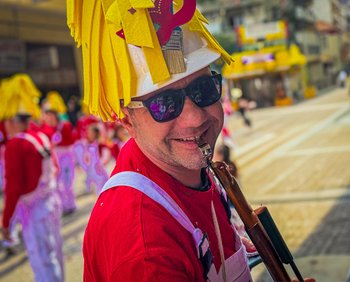
The Night Parade is the first part of the grand finale, held on the Saturday before the last day of Carnival. As dusk falls, Patras is lit up by a sea of colors, neon lights, and spotlights that follow the masqueraders through the city center. Unlike the official Sunday parade, the Saturday march is spontaneous and free-spirited—and usually involves plenty of sweet Mavrodafni wine! A river of costumed people flows through the streets, often in groups of friends and families, dancing to loud music and celebrating together until the early hours.
The crowds are massive, so if you want a front-row view, arrive early—Georgiou Square and the main boulevards are the best spots. Even better: join the fun! Just put on a mask or a colorful wig to feel like part of the madness. On Saturday night in Patras, there is no line between spectators and performers—everyone is part of the show!
The Grand Parade (Sunday)
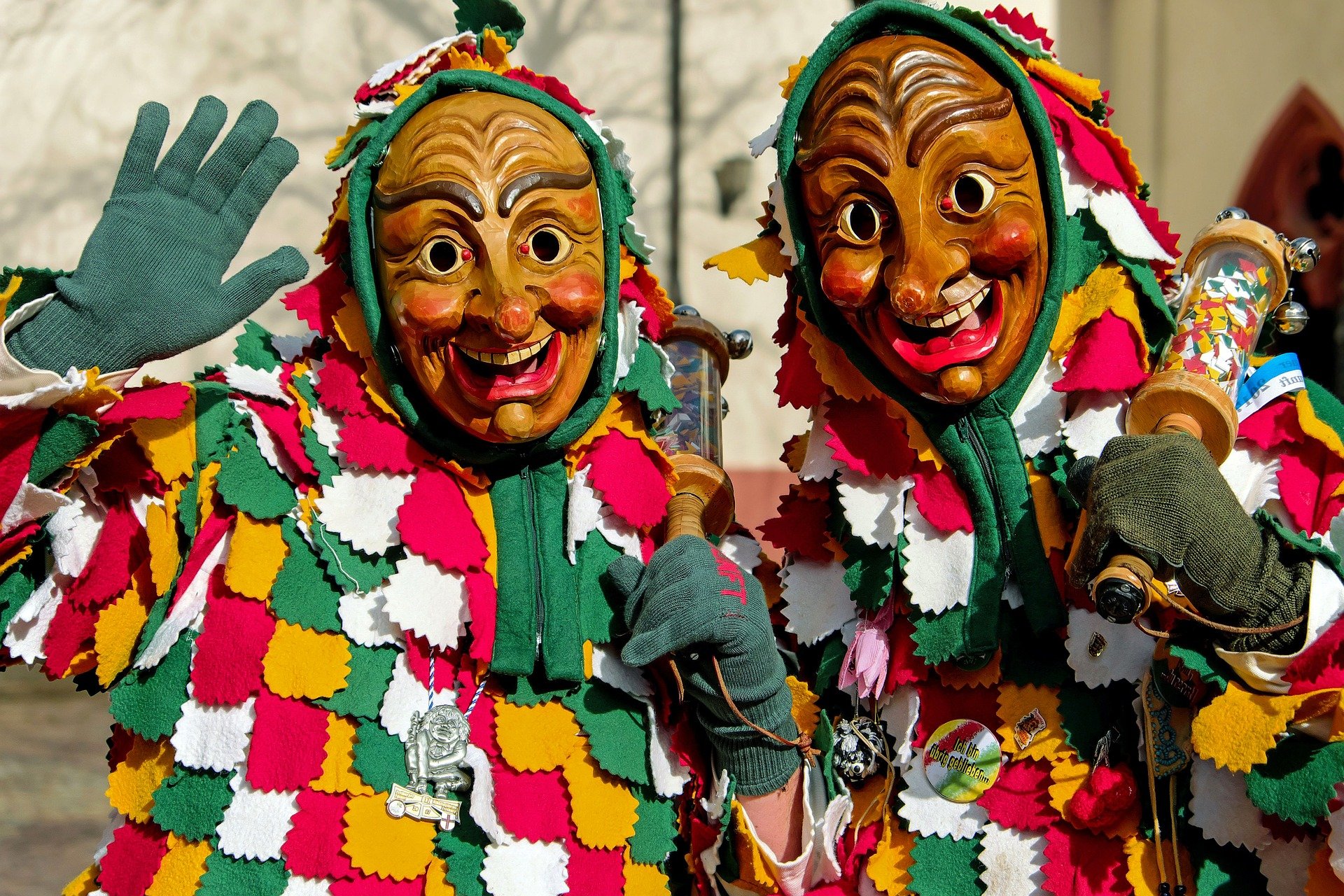
The Grand Parade on Sunday is the true climax of the season—an event kids and adults alike wait for all year! It begins in the early afternoon, around 2:00 PM, as the city wakes up from Saturday's revelry. From early morning, families, tourists, and locals gather along the route. Around noon, the music starts, confetti fills the air, and the Carnival King appears on a massive, impressive float. Behind him follows a vibrant procession of satirical floats and masqueraders.
Each float is a work of art, featuring giant, moving figures that often poke fun at politics, pop culture, or the events of the past year. Following them are tens of thousands of participants in themed costumes, spreading infectious energy. In recent years, active marchers have numbered nearly 40,000, and the entire parade lasts for several hours!

During this time, the city literally drowns in music and color. You’ll hear everything from traditional Greek folk to Rio-style samba. Spectators on balconies and sidewalks cheer, dance, and join in the fun. Candy and chocolates are tossed to the kids, and streamers fly everywhere. This is also the only time of year you'll see Greeks drinking sweet Mavrodafni wine directly from the bottle in public—it's the traditional way to keep the energy high!

The Hidden Treasure Hunt
A standout attraction unique to Patras is the Hidden Treasure Hunt, a massive city-wide game involving thousands of participants. Born in the 60s, it's a mix of a scavenger hunt and an artistic competition. Teams solve complex riddles and trivia, perform theatrical skits, and race through the city's alleys in search of clues. It’s a spirit of friendly competition that takes over every cafe and town square during the festival weeks.
The Atmosphere and the Vibe
Weeks before the finale, the city is decked out in holiday gear. Squares feature massive carnival figures-giant clowns and kings that tower over passersby. Streets are draped in light garlands, streamers, and festive masks.

The finale happens Sunday night at the port. The giant Carnival King is symbolically set on fire and "sunk" in the sea to the applause of thousands. This represents purification and the end of the party season. A massive fireworks display usually follows around 9:00 PM, lighting up the entire bay. While this is the official end, clubs stay open until dawn. It’s only on Monday, known as Kathara Deftera (Clean Monday), that Greeks slow down to start Great Lent.
Practical Information
Planning to join the fun? Here is some practical advice for your Patras adventure.
How to Get to Patras and Getting Around
You can reach Patras by air, ferry, or car. Since traffic is heavy during Carnival, planning ahead is key.
Flying to Greece
Fly into Athens (ATH), which is about 155 miles (250 km) from Patras. From the airport:
- KTEL Bus: Frequent service from Athens (Kifisos station), takes about 2.5 -3 hours and costs around 20 euros.
- Rental Car: Rent a car and take the A8 (E65) highway. It’s a scenic 2-hour drive along the Gulf of Corinth.
By Ferry
Patras is a major passenger port connecting Greece to Italy. Regular ferries run from Ancona, Bari, Brindisi, and Venice. Book in advance, as many Greeks living abroad return home for Carnival!
In the City
Most carnival events are in the center, which is best explored on foot. While taxis are available, they often get stuck in traffic during parades. On the day of the Grand Parade, it is best to leave your car at your hotel and walk.
Where to Stay?
Accommodations fill up months in advance. Here are some options for every budget:
- Budget: Family-run 2-star hotels near Agiou Nikolaou or Airbnb apartments offer a local feel.
- Comfort: 3-star boutique hotels like Smart Hotel or City Loft are modern and central.
- Luxury: Hotel Astir features a rooftop pool with harbor views, while the historic Byzantino Hotel offers old-world elegance.
Fascinating Carnival Facts
- The Legend of Giannoula: A local story about a poor woman tricked into believing President Woodrow Wilson was coming to marry her. Today, a performer in a wedding dress parades in her honor as a tribute to hope and local urban legends.
- The Salty Pretzel Ritual: Single women bake a very salty cake (almyro kouloura) before bed. Legend says the man who brings them water in their dreams will be their future husband!
- Europe’s Massive Party: Patras is one of the largest carnivals in Europe, rivaled only by London’s Notting Hill in terms of active participants.
Why Is It Worth Visiting?
Is it worth the trip? Absolutely! Unlike many commercialized tourist events, the Patras Carnival remains an authentic Greek celebration. You will feel the genuine energy of a party made by people, for people. It is a world of grandeur, creativity, and joy!
You’ll experience incredible hospitality (filoxenia). Greeks will invite you to dance, share their wine, and make you feel like part of the family. You’ll leave with more than just photos; you’ll have new friends and memories of a lifetime.

The diversity of attractions ensures there is something for everyone - from masquerade balls to street festivals. The positive energy of forty thousand smiling faces is enough to recharge your batteries for the rest of the year. If you want to see the side of Greece that is laughing, colorful, and dancing in the street - the Patras Carnival is calling your name!