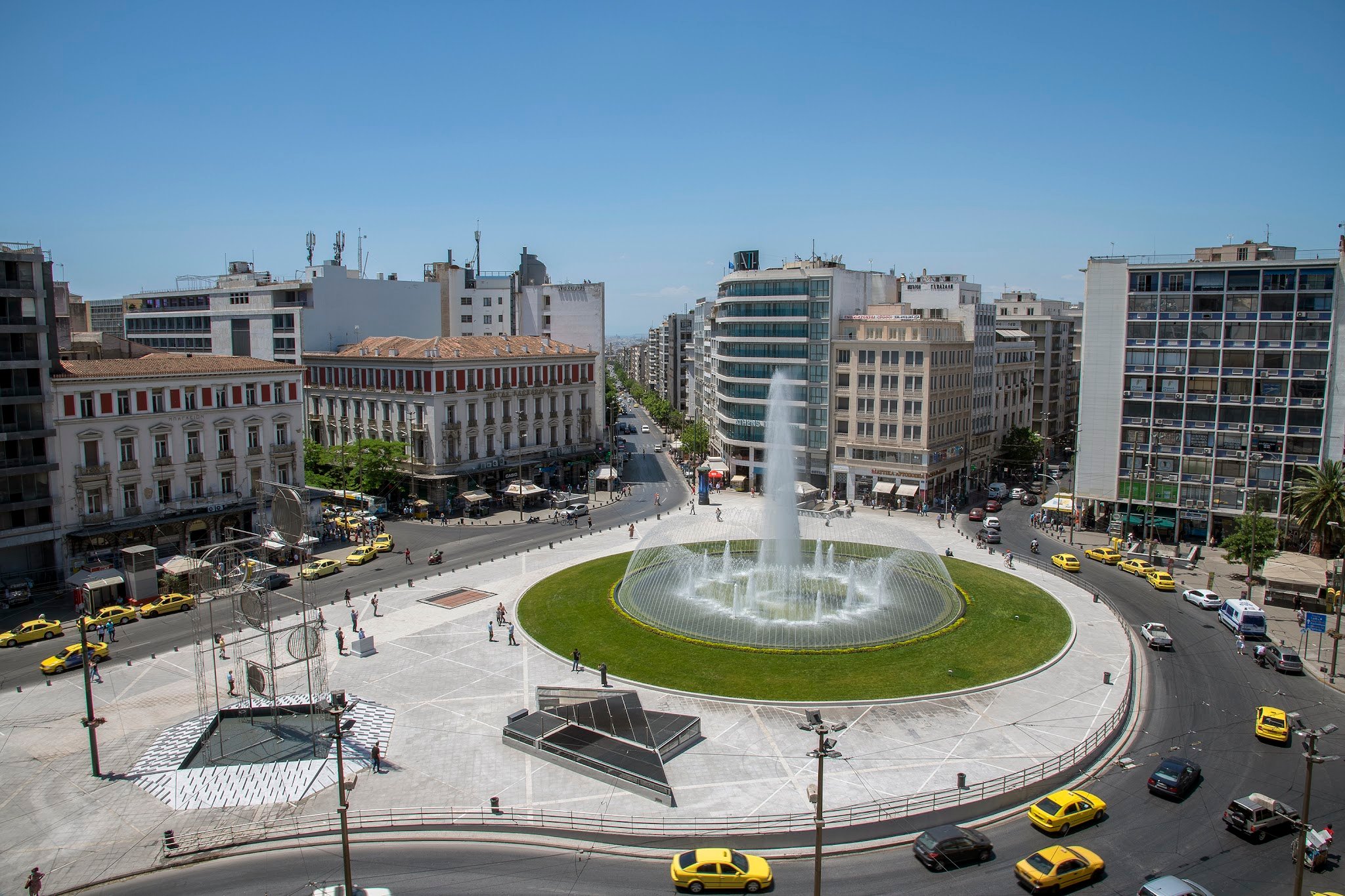
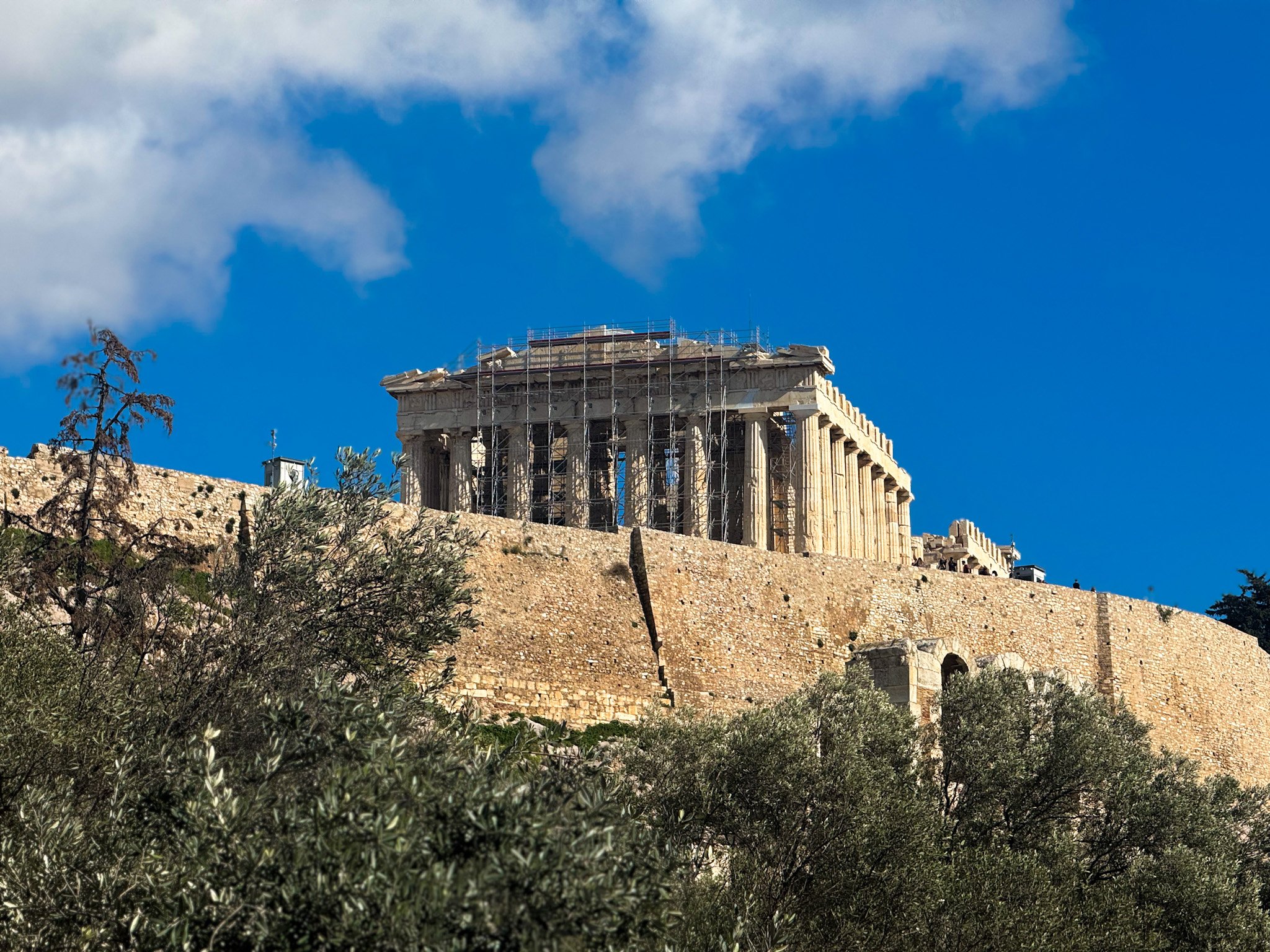
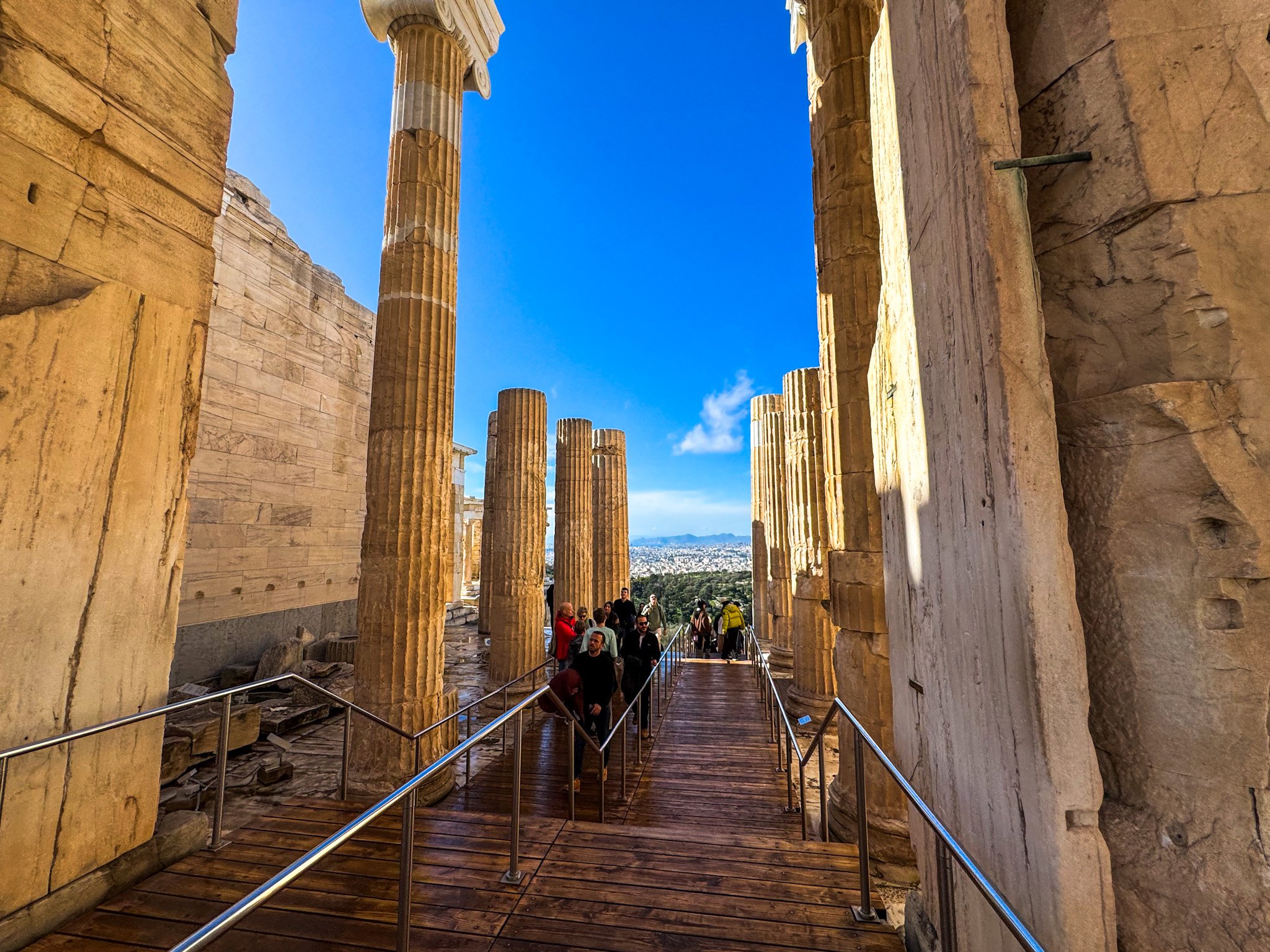
What Is March 25th in Greece? A Guide to Independence Day Traditions, Parades, and Travel Tips
- Significance: A dual celebration of the 1821 Revolution and the religious feast of the Annunciation.
- Athens Events: Details on the grand military parade at Syntagma Square and student parades nationwide.
- Culinary Traditions: Bakaliaros me skordalia as the definitive dish of the day.
- Traveler Tips: Closed shops, free museum opportunities, and the necessity of restaurant reservations.
- Historical Context: The role of the Filiki Eteria and the influence of revolutionary ideas on the fight for freedom.
Every year on March 25th (21η Μαρτίου), Greece comes to a standstill to celebrate one of the most pivotal milestones in its modern history: the anniversary of the 1821 National Revolution. This is far more than a simple formal ceremony; it is a day that commemorates the heroic struggle for liberty and the definitive overthrow of the Ottoman yoke. For every Greek, it remains a powerful symbol of the unbreakable resolve and spirit that allowed the nation to endure through centuries of occupation.
It was during this era that Greece reclaimed its sovereignty after nearly four centuries of Ottoman dominance - dating back to the fall of Constantinople in 1453. Despite the immense weight of foreign subjugation, the Greek people never wavered in their devotion to their rights, their language, and their national identity. This deep-seated cultural consciousness became the very foundation upon which the modern, free state we adore today was built.
The Spark of Liberty and the Filiki Eteria
The truth is that the yearning for independence began to reach a fever pitch by the late 18th century. Despite the oppression, the Greek spirit pulsed with a desire for freedom, and secret societies—most notably the legendary Filiki Eteria—meticulously laid the groundwork for a national uprising. A profound inspiration also came from the French Revolution, which ignited sparks of hope for liberty, equality, and self-determination in the hearts of Greeks across the Mediterranean.
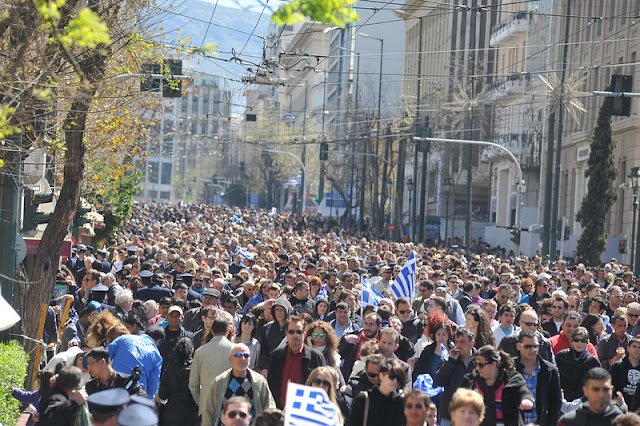
The year 1821 served as the ultimate crescendo of these long-held aspirations. United under the banners of independence, Greeks launched a heroic, often lopsided battle against the Ottoman giant. The National Revolution of 1821 not only brought Greece its long-awaited liberation but also served as a beacon for other nations, inspiring them to fight for their own sovereign rights.
While the revolution was a historical reality, the establishment of March 25th as the official national holiday didn't occur until 1838 under King Otto. Curiously, this date was chosen primarily for its immense symbolic weight. In the Orthodox Church, March 25th marks the Annunciation of the Virgin Mary (gr. Ευαγγελισμός της Θεοτόκου). Intertwining the nation’s political rebirth with this sacred religious feast served to further unify the people in their shared faith and destiny.
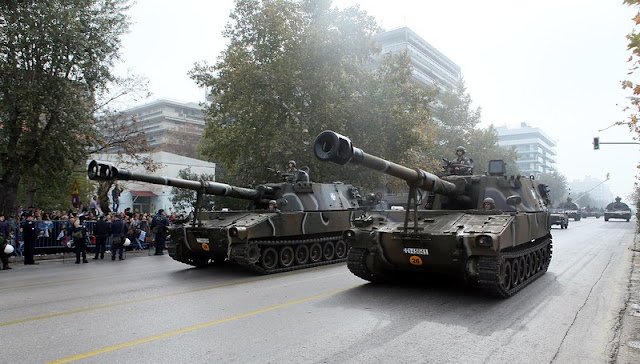
The Modern Celebration: Grand Parades in Athens
What does this holiday look like today? Every year, Athens hosts a spectacular military parade featuring elite land units, the Navy, and the Air Force. Similar ceremonies are held on other significant dates, such as the famous Oxi Day. For travelers, it is an extraordinary opportunity to witness a Greece that is proud, unified, and celebrating its heritage with magnificent pageantry.

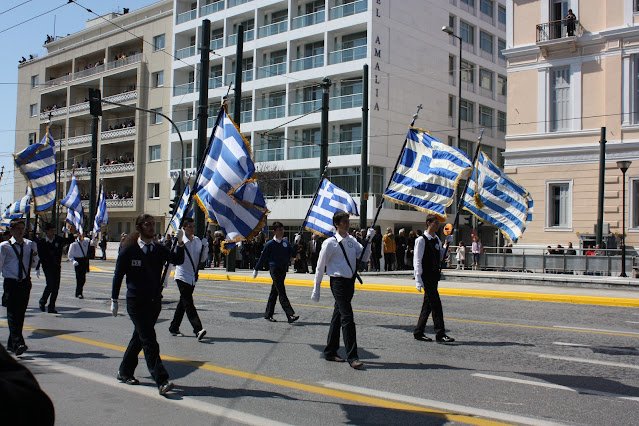
An equally integral part of the day’s landscape is the school parades, organized in the capital and the smallest villages alike. It is a unique sight: the top students, proudly carrying the blue-and-white flags, march in traditional costumes or school uniforms. This serves as a poignant expression of patriotism, passed down in Greece from generation to generation since early childhood.
For many visitors, the most enticing aspect of the holiday is the table! Tradition dictates a specific dish for the day: bakaliaros me skordalia (gr. μπακαλιάρος με σκορδαλιά). This consists of crispy, deep-fried cod served with an intense, velvety garlic spread. If you find yourself in Greece on March 25th, be sure to reserve a table at a local taverna—the irresistible aroma of fried fish and garlic fills every street corner!
Planning Your Trip? Understanding Greece's Major Holidays
For many travelers planning a vacation to Greece, the rich calendar of national holidays can seem a bit complex. A frequent question arises: what exactly is the difference between the March Independence Day and the famous autumn Oxi Day?
While both events share immense national pride and blue-and-white flags on every balcony, they have entirely different historical backgrounds and unique traditions—both official and culinary. To help you navigate local customs and better plan your time in Athens or Thessaloniki, we’ve prepared a clear comparison of the key differences.
| Feature | March 25th (Independence Day) | October 28th (OXI Day) |
|---|---|---|
| Significance | Outbreak of the 1821 Revolution against the Ottomans | Refusal to surrender to the Axis powers in 1940 |
| Religious Feasts | Annunciation of the Virgin Mary | Holy Protection of the Mother of God (Agia Skepi) |
| Traditional Dish | Bakaliaros me Skordalia (Cod with garlic dip) | No single mandatory dish |
| Main Parade | Grand Military Parade in Athens | Military Parade in Thessaloniki |
Frequently Asked Questions (FAQ) - March 25th in Greece
Visiting Greece in March? Here are the essential answers to questions travelers most frequently ask regarding Independence Day:
1. Are shops in Greece open on March 25th?
No. March 25th is a statutory public holiday. All supermarkets, shopping malls, and smaller boutiques are completely closed. Only select bakeries, gas stations, and kiosks (periptera) remain open. Be sure to finish any major shopping by March 24th!
2. Are museums and the Acropolis open on March 25th?
This varies by year, but generally, most state-run museums and archaeological sites (including the Acropolis) are closed to visitors. A notable exception is often the Acropolis Museum, which frequently offers free admission to all guests in honor of the national holiday. Always check the official museum website a few days before arrival.
3. What is Bakaliaros me Skordalia?
This is the traditional dish mandatory for March 25th. It consists of breaded, fried cod (usually salted) and a dense, potent garlic dip (skordalia) made with a base of potatoes or bread, olive oil, and vinegar. It is a culinary symbol of Greek freedom!
4. What time does the parade in Athens begin?
The grand military parade at Syntagma Square in Athens typically commences around 11:00 AM. If you wish to secure a prime viewing spot, it is advisable to arrive in the city center at least an hour early. Keep in mind that the Syntagma metro station is usually closed during the parade for security reasons.
5. Are restaurants and tavernas open on March 25th?
Yes! Most tavernas and restaurants remain open and are incredibly busy on this day. Greeks love to celebrate with a communal meal out. If you plan to enjoy traditional cod at a specific venue, a reservation is absolutely essential.
Exploring Athens During the Holiday: Essential Tips
While the main streets are closed to vehicles on March 25th, it is an ideal time for guided walking tours. After the morning parades, the city’s atmosphere is incomparable. Consider an organized stroll through Plaka or Anafiotika, allowing you to experience the spirit of Old Athens without the intrusion of traffic noise.
Recommended Activities (Book in Advance!):
- Plaka and Monastiraki Walking Tour – Perfect for when the city center is pedestrian-only.
- Evening Wine Tasting Stroll – Following a heavy lunch of cod, an evening walk with views of the illuminated Acropolis is a perfect choice.
- Excursion to Cape Sounion – If you wish to escape the parade crowds, a late afternoon trip to the Temple of Poseidon is your best option.