Traveling to Poland from Greece: Required Documents & Entry Rules
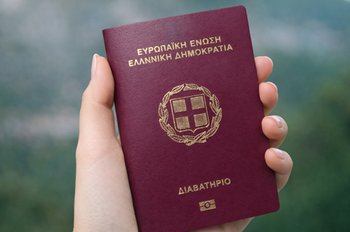
- Greek citizens can travel to Poland using a new Greek National ID card or a valid Greek passport.
- No visa is required for Greek citizens for stays up to 90 days within any 180-day period under Schengen regulations.
- The ETIAS digital authorization system does not apply to Greek citizens.
- A Greek driver's license is fully valid in Poland; an international permit is not needed.
- The European Health Insurance Card (EHIC) covers emergency care in public hospitals in Poland.
- For long-term stays (over 90 days), registration with local Polish authorities is required.
For Greek travelers, Poland remains one of the most accessible and attractive European destinations, whether for a leisure getaway or a business trip. As we move through 2026, several new digital procedures are coming into play across Europe, making up-to-date information essential for a seamless experience. Understanding current Schengen Area regulations ensures your journey begins without unnecessary stress at the airport.
What Documents Do Greeks Need to Travel to Poland in 2026?
As citizens of a European Union member state, Greeks enjoy the right of free movement. To enter Poland, a passport is not mandatory, as the new Greek National ID card (featuring Latin characters) is fully recognized. However, a valid Greek passport remains the most reliable option, especially for using automated e-gates at major Polish airports like Warsaw Chopin or Kraków Balice.
Quick Guide: Travel Requirements 2026
| Category | Document / Requirement | Notes |
|---|---|---|
| Identity Card | New type (Latin characters) | Mandatory if not using a passport. |
| Passport | Valid | Recommended for faster airport processing. |
| Visa | No | Visa-free entry for Greek citizens (up to 90 days). |
| ETIAS | Not Required | Only applies to non-EU citizens. |
| Driver's License | Greek (European) | Fully valid in Poland; no international permit needed. |
| Health Care | EHIC (European Insurance Card) | Covers emergency care in public hospitals. |
Do Greeks Need a Visa for Poland? Everything You Need to Know
The process remains incredibly straightforward: No visa is required for Greek citizens. Under Schengen regulations, you can stay in Poland for up to 90 days within any 180-day period.
If you are planning a long-term stay—such as for work or university studies—you still do not need a visa. However, you are required to register your residence with the local authorities (Województwo) after the first 90 days, following EU guidelines for legal residency.
The ETIAS System and Greek Travelers in 2026
There has been much discussion regarding the new ETIAS digital authorization system launching in 2026. It is vital to clarify that ETIAS does not apply to Greek citizens. This requirement is exclusively for non-EU nationals. For you, traveling to Poland remains free of charge, with no pre-approval or electronic fees required.
Road Trips and Inland Checks in Poland
If you plan to explore the Polish countryside by car, your Greek driver's license is perfectly valid, and an international permit is not necessary. While permanent border booths are a thing of the past, Polish authorities do conduct random spot checks inland. Therefore, you should always carry your original identification document with you.
For medical peace of mind, the European Health Insurance Card (EHIC) is essential for accessing the public health system. However, supplemental travel insurance is considered a best practice to cover costs in private clinics or emergency repatriation.
Traveling with Minors and Driving from Greece
For families traveling with children, especially if a minor is accompanied by only one parent, it is highly recommended to have a formal authorization (via gov.gr) translated into English. Furthermore, for those choosing the road route through the Balkans or Central Europe, be prepared for temporary border checks, which may be implemented by transit countries based on current security measures.
Poland in 2026 continues to be a top-tier destination that respects and welcomes the modern traveler. With your documents properly organized, all that remains is to discover the rich heritage and dynamic culture of this fascinating country.