Top 10 Greek Alcoholic Drinks You Must Try on Your Next Vacation

- Ouzo: Greece's most recognizable anise-flavored spirit, often served with cold water and ice, creating the 'ouzo effect'.
- Retsina: A unique Greek white wine characterized by its distinctive pine resin aroma, with Protected Designation of Origin (PDO) status.
- Tsipouro, Raki, and Tsikoudia: Strong traditional distillates made from grape pomace, popular with locals and tourists, served with hearty snacks.
- Metaxa: A luxury Greek spirit, a sophisticated blend of brandy and Muscat wine, infused with herbs and rose petals, aged in oak barrels.
- Mavrodafni: A fortified red dessert wine from the Achaia region, known for its dark color and notes of caramel, chocolate, and dried fruits.
- Vinsanto: A highly regarded sweet wine from Santorini, produced from sun-dried grapes, offering aromas of coffee, figs, and molasses.
- Moschofilero: An aromatic dry white wine from the Peloponnese, featuring notes of peach, lemon, and rose petals, ideal for refreshment.
- Agioritiko: A significant red grape variety primarily grown in Nemea, producing elegant red wines with red fruit aromas.
- Xinomavro: A prestigious red wine from Northern Greece, known for its high acidity and complex notes of sundried tomatoes, olives, and earth.
- Greek Beers: Popular lagers like Mythos, Fix Hellas, and Alfa, alongside a growing craft beer scene.
- Food Pairings: A guide to pairing various Greek spirits and wines with traditional Greek dishes and appetizers.
- Tasting Experiences: Opportunities for wine and ouzo tastings in Athens, including professional workshops and culinary classes.
Exploring Greek cuisine is more than just a journey through unique flavors; it is a fascinating insight into the country's culture and centuries-old traditions. An inseparable element of Greek culinary life is pota (Gr. ποτά)—the spirits and beverages that have accompanied meals and joyful celebrations for generations. Greece’s rich selection of local alcohol—from artisanal distillates to noble wines from endemic grape varieties—reflects the diversity of its regions and the abundance of Mediterranean nature. Below is an overview of the most popular Greek spirits you must taste while traveling through Hellas.
Ouzo - The Symbol of Greek Summer
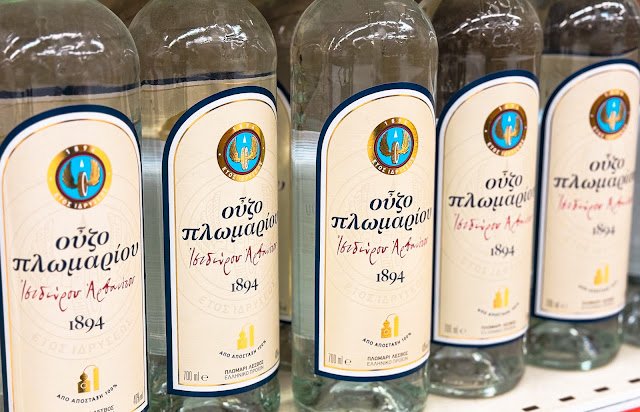
Ouzo (Gr. ούζο) is undoubtedly the most recognizable Greek spirit in the world, famous for its intense, refreshing aroma. While commonly associated with anise, this potent drink (often exceeding 40% ABV) is produced through the distillation of grapes in copper stills, with anise and other herbs added only for flavoring.
Many connoisseurs drink ouzo neat; however, the most popular way to serve it is with cold water or ice. Adding water triggers a striking chemical reaction (the "ouzo effect"), turning the clear liquid into a milky-white drink with a smoother, more refreshing profile. Ouzo is best enjoyed in traditional taverns called ouzeri (Gr. ουζερί), served alongside a variety of meze (Gr. μεζέ) appetizers, such as grilled octopus or salty feta cheese.
Retsina - Wine with the Soul of Pine
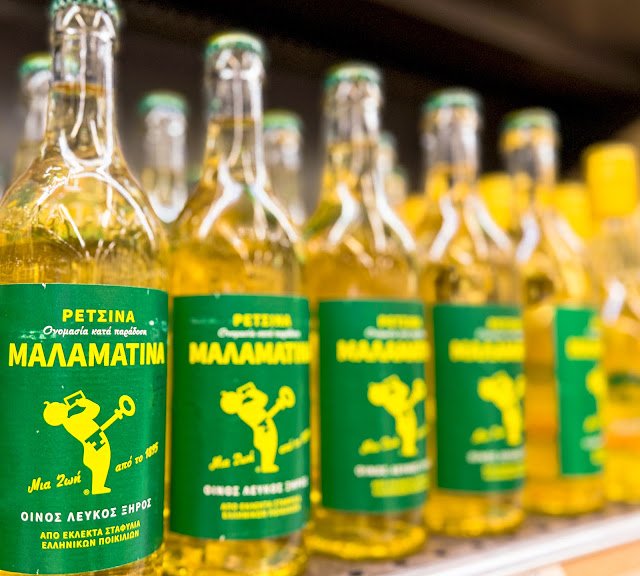
Retsina (Gr. ρετσίνα) is a unique Greek wine known for its characteristic resinous accent. It owes its profile to the addition of pine resin (Aleppo pine), which is introduced to the must during fermentation. This ingredient gives retsina its unmistakable forest-like character.
The history of this drink dates back to antiquity when Greek winemakers sealed amphorae with pine resin to protect the wine from oxidation. Thanks to the resin’s natural antiseptic properties, the wine stayed fresh during transport. Today, retsina is primarily produced in the regions of Attica and Euboea using Savatiano and Roditis grapes. It holds Protected Designation of Origin (PDO) status, guaranteeing traditional production methods. Modern versions of retsina are fresh and fruity, making them an excellent choice for fish and seafood dishes.
Tsipouro, Raki, and Tsikoudia - The Strength Hidden in Grapes
Tsipouro (Gr. τσίπουρο) is a traditional distillate, extremely popular with both locals and tourists. It is made from grape pomace—the skins, seeds, and pulp remaining after the juice is pressed for winemaking. This process involves fermenting the pomace and then carefully distilling it, which, depending on the region, may be enriched with aromatic herbs.
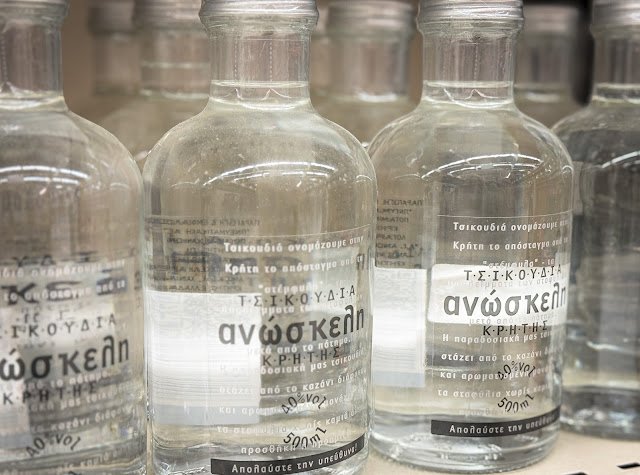
The tradition of making tsipouro was born in the monasteries of Mount Athos. A very similar spirit is Cretan tsikoudia (Gr. τσικουδιά), also known as raki (Gr. ρακή). Although similar, they differ in production methods—tsikoudia is typically distilled only once, giving it a more robust, fruity character. These strong spirits (ranging from 36% to 45% ABV) are served in dedicated establishments called tsipouradiko (Gr. τσιπουράδικο), always accompanied by hearty snacks.
Metaxa - Greece’s Amber "Cognac"
Metaxa (Gr. Μεταξά) is a luxury Greek spirit often referred to as Greek cognac, though it is actually a unique category of its own. It is a sophisticated blend of brandy and Muscat wine, infused with a secret composition of herbs and rose petals. Metaxa is renowned for its deep, silky flavor and complex aromatic bouquet.
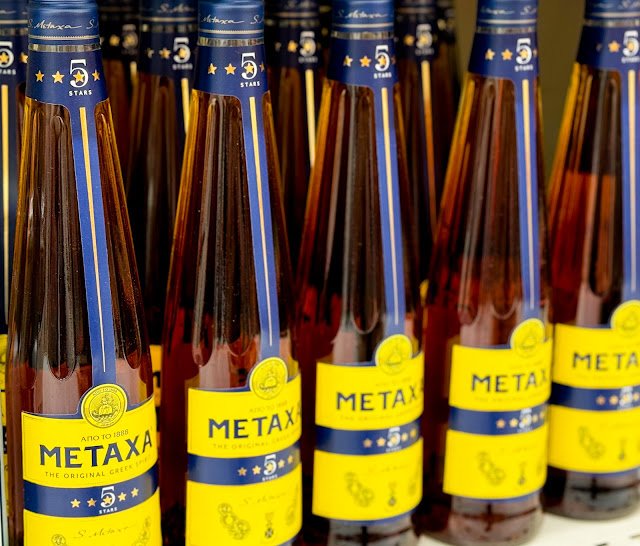
The production process starts with the distillation of white grapes, after which the distillate is blended with sweet Muscat wine from the Aegean Islands (primarily Samos). The spirit is then aged in oak barrels, acquiring its golden color and noble character. The number of stars on the label indicates the years of aging. Metaxa is exquisite when sipped neat but is also a valued ingredient in high-end cocktails.
Mavrodafni - The Sweetness of Achaia
Mavrodafni (Gr. Μαυροδάφνη) is both the name of a dark grape variety from the Achaia region (Peloponnese) and a legendary fortified red wine. This dessert wine has a high natural sugar content, and its production process is extremely labor-intensive.
The fermentation of the grapes is halted by adding wine distillate, and the wine is then aged in cellars using a system similar to the Spanish solera (the gradual mixing of younger vintages with older ones).
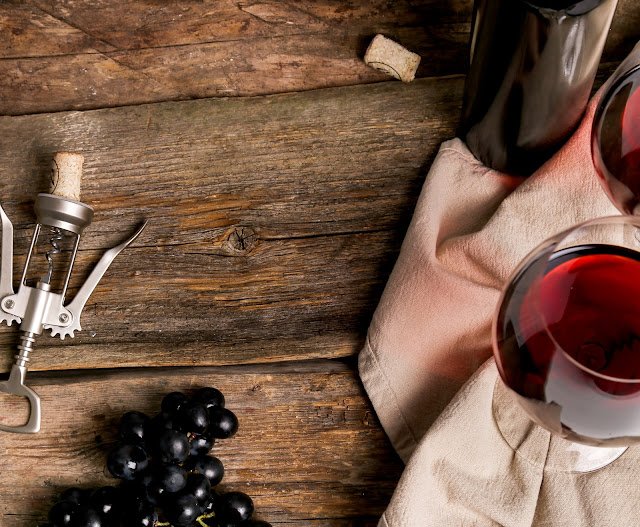
The spirit is characterized by an almost opaque, dark brown color with violet reflections. The taste is dominated by exquisite notes of caramel, chocolate, coffee, raisins, and dried plums.
Vinsanto - The Treasure of Santorini
Vinsanto is one of the most highly regarded sweet wines in the world, hailing from the volcanic island of Santorini. It is produced from Assyrtiko, Aidani, and Athiri grapes, which are sun-dried after harvest to naturally concentrate their sugars and aromas.
The history of Vinsanto dates back to the 12th century, and its fame exploded in international markets after 1783. The wine's unique profile is a result of Santorini’s extreme growing conditions—volcanic soil and morning mists. Younger wines have a golden-orange hue, while those aged for decades turn mahogany, releasing aromas of coffee, dried figs, molasses, and frankincense. Vinsanto is the perfect companion for caramel desserts or intense blue cheeses like Roquefort.

Moschofilero - Aromatic Refreshment
Moschofilero (Gr. Μοσχοφίλερο) is a noble variety grown in the central Peloponnese (Mantineia region), producing elegant, dry white wines. Their name comes from the word moscho (scent), which perfectly captures their character. These wines are extremely aromatic, with notes of peach, sweet lemon, and rose petals. Thanks to its high acidity and lightness, Moschofilero is an ideal choice for those seeking refreshment on hot days.
Agioritiko - The Blood of Hercules
Agioritiko (Gr. Αγιωργίτικο) is, alongside Xinomavro, the most important red variety in Greece. It is primarily grown in the Nemea region of the Peloponnese, often called "Little Burgundy." This region has held PDO status since 1971. The history of Agioritiko is steeped in mythology—it is said to have been the wine drunk by King Agamemnon, and legend calls it the "blood of Hercules," referring to the hero's battle with the Nemean lion. The wine features velvety tannins and a rich aroma of red fruits.
Xinomavro - The Greek Nebbiolo
Xinomavro (Gr. Ξινόμαυρο) is the king of Northern Greek wines, particularly from the Naoussa region in Macedonia. The name literally means "sour-black," referring to its high acidity and the intense color of the skins. This is a wine for demanding palates—in its profile, we find unique notes of sundried tomatoes, olives, sage, and earth. Xinomavro has great aging potential and is considered one of the most prestigious wines in Southern Europe.
The color of Xinomavro wine can vary, ranging from medium ruby to deep brick, depending on the production method and aging time. The most notable aromas include various tomato varieties, both fresh and dried, and notes of tomato paste. The wine also features delicate notes of olives (black, olive paste, or leaves), red fruits (strawberry, cranberry, currant), herbal accents (sage, rosemary, eucalyptus), and earthiness (mushrooms, soil). Xinomavro can be used to produce not only red wines but also rosés, whites (using the blanc de noir method), and even sparkling wines.
Best Greek Beers - From Classic Mythos to Craft Breweries
While Greece is mainly associated with winemaking, it has experienced a true brewing renaissance in recent years. Alongside market giants, local craft breweries are dynamically developing and gaining international recognition.
- Mythos: The most recognizable Greek lager, light and perfectly balanced, ideal for hot days by the Aegean Sea.
- Fix Hellas: A beer with a historical pedigree dating back to the 19th century. It features a distinct malty flavor with a delicate bitterness.
- Alfa: A popular, traditional lager with a mild hop profile, frequently chosen by Greeks for everyday enjoyment.

Quick Guide to Greek Flavors
To help you navigate the rich drink menu in a Greek tavern, we have prepared a practical summary. This guide is the essence of tastes, aromas, and proven food pairings that will allow you to celebrate meals in true Hellenic style.
| What to Choose? | Type | Main Aroma | Best Pairing |
|---|---|---|---|
| Ouzo | Iconic anise spirit | Licorice and herbs | Grilled octopus and salty cheeses |
| Retsina | White wine with history | Fresh pine resin | Fried fish and seafood |
| Metaxa | Noble brandy with wine | Rose petals and dried fruits | Dark chocolate or as a digestif |
| Tsipouro / Raki | Strong grape distillate | Clean vinous or herbal | Spicy meze and olives |
| Vinsanto | King of sweet wines | Caramel, figs, and dried apricots | Intense blue cheeses and nuts |
| Moschofilero | Light white wine | Citrus and flowers | Fresh salads and light fish |
| Agioritiko | Elegant red wine | Red fruits and spices | Roasted lamb and moussaka |
| Xinomavro | Prestigious red wine | Sundried tomatoes and olives | Game meats and aged cheeses |
Experience the Flavors of Greece Live
If you want to take these descriptions into practice and feel the spirit of Greek hospitality, it's worth going on one of the local tastings or culinary workshops. In the heart of Athens, you can take part in a professional Wine O'Clock Tasting or try wines at the foot of ancient monuments during the Acropolis Wine Tasting with Cheese and Olives. For those wanting to delve into the secrets of local cuisine, a Greek Cooking Class & Dinner on a Rooftop is the ideal choice, where you’ll prepare Greek delicacies with a view of the city. Also, don't miss a visit to a cult spot in Plaka—Ouzo Tasting at Brettos Plaka is an absolute classic, allowing you to appreciate the wealth of aromas in the city's oldest distillery.
Greek Spirits – Frequently Asked Questions (FAQ)
How to drink Ouzo—with or without water?
Traditionally, ouzo is drunk with the addition of cold water and ice. The water causes the essential oils to precipitate, giving the spirit its milky color and releasing its full aroma.
Is Metaxa a cognac?
Though often called that, Metaxa is a unique category of alcohol. It is a grape distillate combined with Muscat wine and herb extracts, making it smoother and sweeter than a classic cognac.
Which Greek wine is the most famous?
The most recognizable white wine is Retsina with its resinous aroma, while among red wines, Agioritiko (Nemea) and the prestigious Xinomavro (Naoussa) lead the way.
What is the alcohol percentage of Tsipouro?
Tsipouro is a strong distillate that typically contains between 40% and 45% ABV. There are pure versions as well as those flavored with anise.
Connoisseur’s Glossary
- Krasí (κρασί) – Wine.
- Stin ygeia mas! (Στην υγεία μας!) – "To our health!" (Cheers).
- Mezedaki (μεζεδάκι) – A small appetizer portion, perfect for ouzo or tsipouro.
- Karafaki (καραφάκι) – A small carafe, usually used to serve ouzo in taverns.