How Did Athens Get Its Name? The Legend of Athena vs. Poseidon
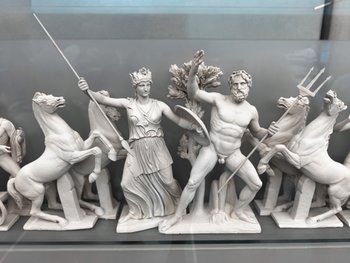
- The core myth: Athens is named after Athena following her victory over Poseidon in a divine contest.
- The decisive gift: Athena’s olive tree symbolized prosperity, defeating Poseidon’s saltwater spring.
- Historical origins: the name likely predates Greek, possibly referring to elevation or settlement structure.
- Why plural: "Athēnai" reflects the merging of multiple early communities into one city-state.
- Modern traces: key mythological sites include the Erechtheion and the sacred olive tree on the Acropolis.
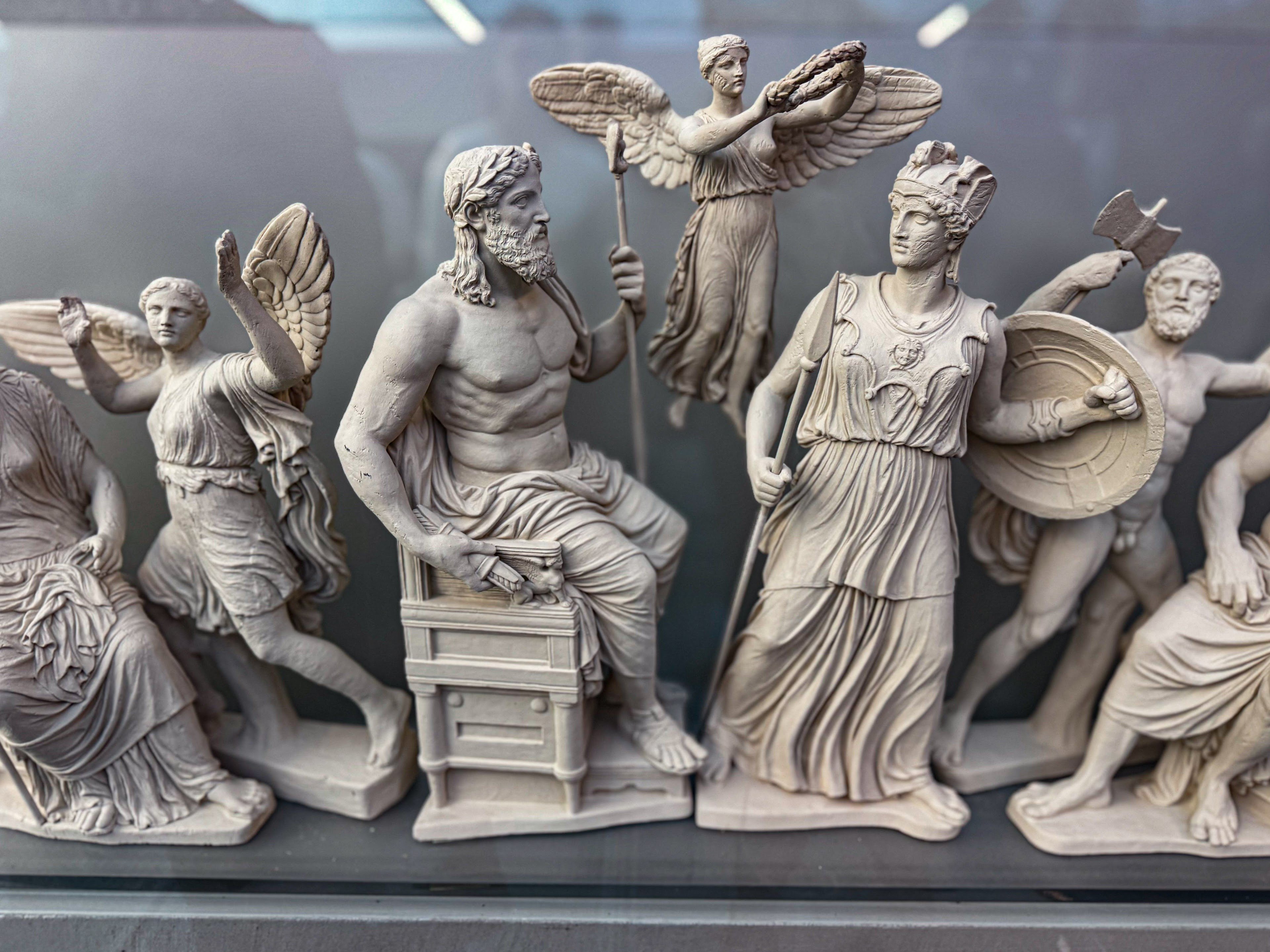
The name Athens originates from the Greek goddess of wisdom, Athena, who according to mythology won a legendary contest for the city's patronage against the god of the sea, Poseidon. It was her gift—the olive tree—that was deemed more precious by the citizens than the saltwater spring offered by the lord of the oceans. Thanks to this victory, the settlement, previously known as Acte or Cecropia, took the name of its protector, becoming a global symbol of knowledge, strategy, and ancient prosperity.
A Mythological Duel on the Acropolis
In ancient times, as the city began to build its power, it became an object of desire for the two most powerful deities of Olympus. The dispute over who would become the patron was to be settled by the first king, Cecrops. The rule was simple: the one who provided the people with the most useful gift would win.
-
Poseidon's Gift: The sea god struck the hard rock of the Acropolis with his trident, and a spring immediately gushed forth. Although spectacular, it proved useless—the water was salty, making it impossible to drink or irrigate crops.
-
Athena's Gift: The goddess of wisdom thrust her spear into the ground, and in that spot grew the first olive tree. This gift offered food, shade, wood, and precious oil, becoming the foundation of the Greek economy for millennia.
Comparing the Gifts: Why Wisdom Triumphed Over Power
For the ancient Greeks, the choice was obvious—practical wisdom (Athena) won over the raw, untamed force of nature (Poseidon).
| Feature | Athena's Gift | Poseidon's Gift |
| Object | Olive Tree | Saltwater Spring |
| Symbolism | Peace, Prosperity, Agriculture | Naval Power, Expansion, Strength |
| Utility | Food, fuel for lamps, building material | None (water was undrinkable) |
| King's Verdict | WINNER (Utility) | LOSER (Impressive but useless) |
Historical Perspective: What Came First - The City or the Goddess?
Linguists and historians often view this story from a different angle. Research suggests that the goddess may have taken her name from the city. The name Athēnai likely has pre-Greek (Pelasgian) roots and may be derived from an archaic word meaning "hill" or "height."
Why is the name in plural form?
FAQ - Frequently Asked Questions About the Naming of Athens
1. Was Athens always called by the same name?
No. Originally, the settlement was called Cecropia, in honor of its founder, King Cecrops. The name change occurred after Athena's mythical victory.
2. Where on the Acropolis can you see traces of this contest?
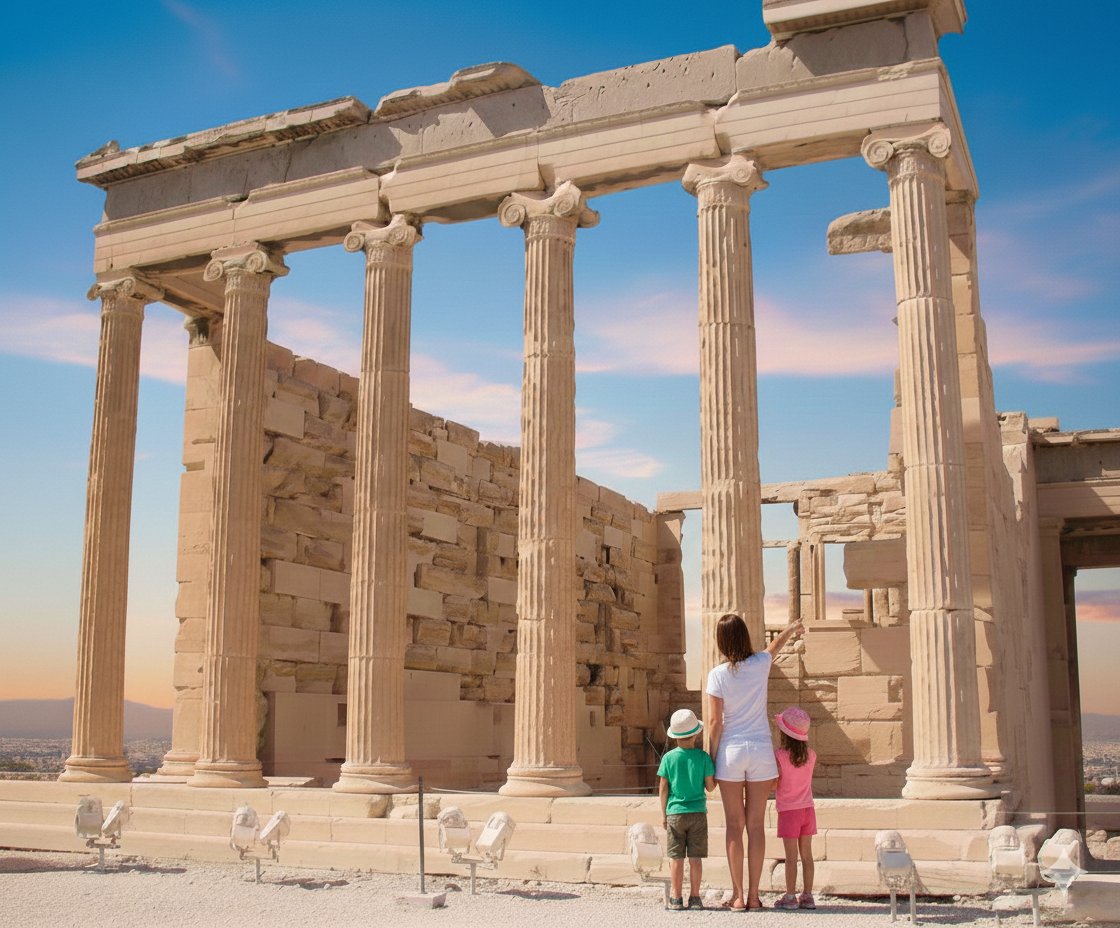
The main site is the Erechtheion. Next to this unique temple, a symbolic olive tree still grows today, and in the rock beneath the foundations, visitors used to be shown the mark left by Poseidon's trident.
3. Did Poseidon's gift have any advantages?
In a broader context, yes—it symbolized Athens' destiny as a naval power. Although he lost the contest, Athens later became the "queen of the seas," combining the gifts of both deities: wisdom in governance and strength on the water.
4. Is Athena only associated with war?
Quite the opposite. While Athena was a war goddess, she represented its strategic and just side. Thus, the city's name is primarily associated with civilization, art, and intellectual development.
Planning a trip to the Greek capital? Check out our guides on how to visit the Acropolis without the lines and where to find the best viewpoints in Athens!
See the Myths Come to Life - Mythology Tours
Learning the history of the name Athens is just the beginning of the adventure. To fully feel the spirit of antiquity and understand the profound influence the gods had on Greek life, it is worth taking a walk with a professional guide. On the GetYourGuide platform, you will find tours created specifically for mythology enthusiasts:
-
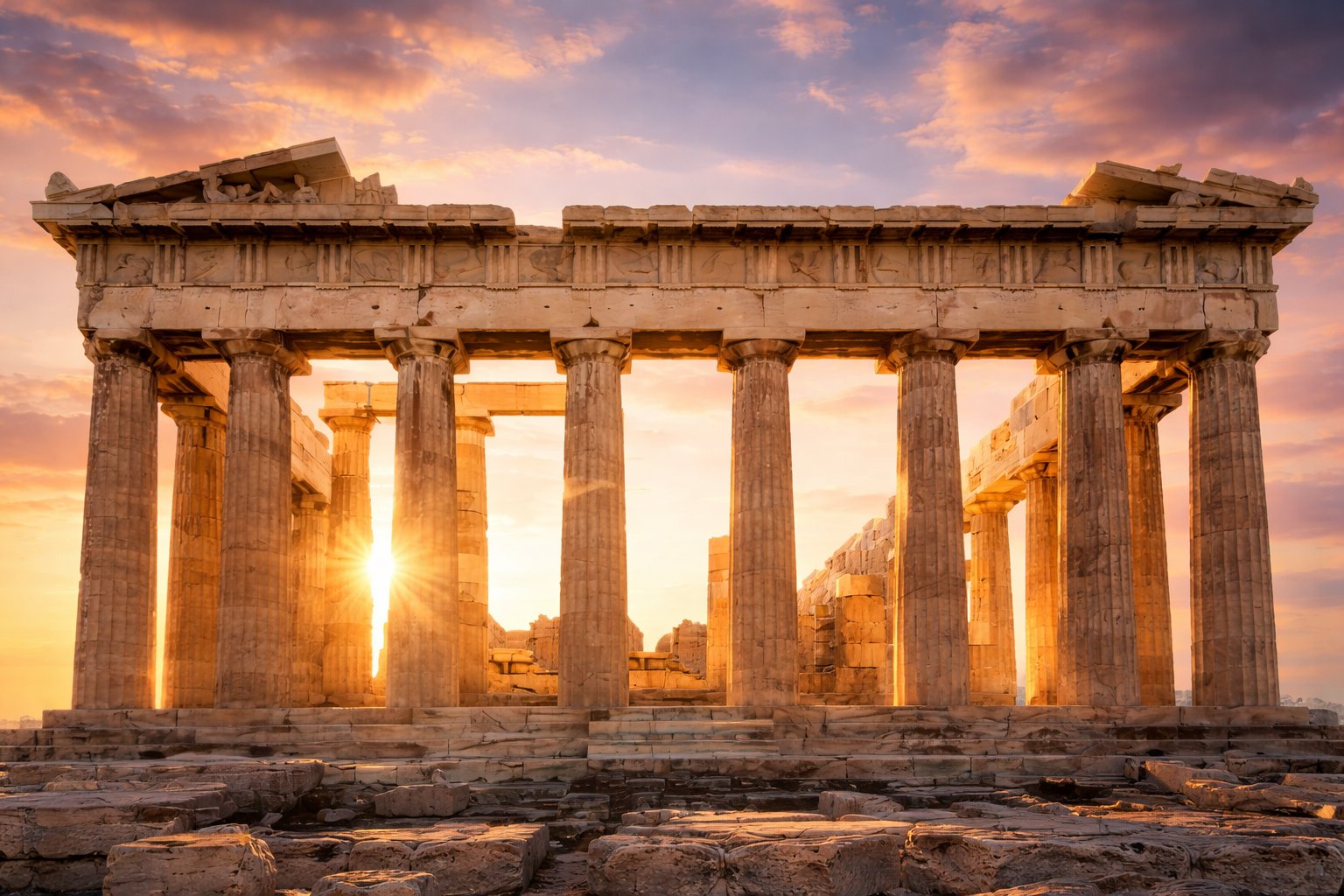
Mythological Walk Through the Acropolis: Discover the secrets of the Parthenon and stand exactly where, according to legend, Athena gifted the citizens the first olive tree.
-
Mythology for Families: Specialized routes that bring the history of gods and heroes to life for younger visitors through interactive storytelling.
-
Ancient Greek Theater Performances: Evening shows where you can see ancient myths come alive on stage under the open sky.
By booking tickets online, you avoid standing in long lines at the box office and are guaranteed not to miss any of the most important stories that shaped this extraordinary city.