Greek Easter: Travel Guide, Opening Hours & Prices
- Orthodox Pascha, falling on April 12, 2026, is the most important and spectacular moment on the Greek calendar, completely dictating logistics nationwide.
- April is the 'sweet spot' for travelers: pleasant 70°F (20°C) temperatures are perfect for exploring the Acropolis or Meteora without crowds, and prices are up to 40% lower than in summer.
- The guide warns of 'dead days': on Good Friday, commerce pauses until the afternoon, and Easter Sunday sees a total retail and dining lockdown, making reservations a must.
- Strategic planning is key for a budget trip: aim for flights between April 7–14 and book ferries and cars at least 3 months in advance due to local holiday travel.
- The article ranks 5 unique locations: from the loud pot-throwing in Corfu and the explosive Chios rocket war to magical Leonidio, mystical Meteora, and the unique Patmos.
Dreaming of a spring filled with the scent of jasmine and the salty Mediterranean breeze? Easter in Greece is more than just a holiday; it is a powerful dose of culture, tradition, and flavors that you won’t find anywhere else in Europe. Discover why Pascha (falling on April 12, 2026) is the most important date on the Greek calendar, how to plan a budget-friendly trip to Corfu or Chios, and how to experience Greek Pascha like a true local, rather than just another tourist.
Why Visit Greece for Greek Easter?
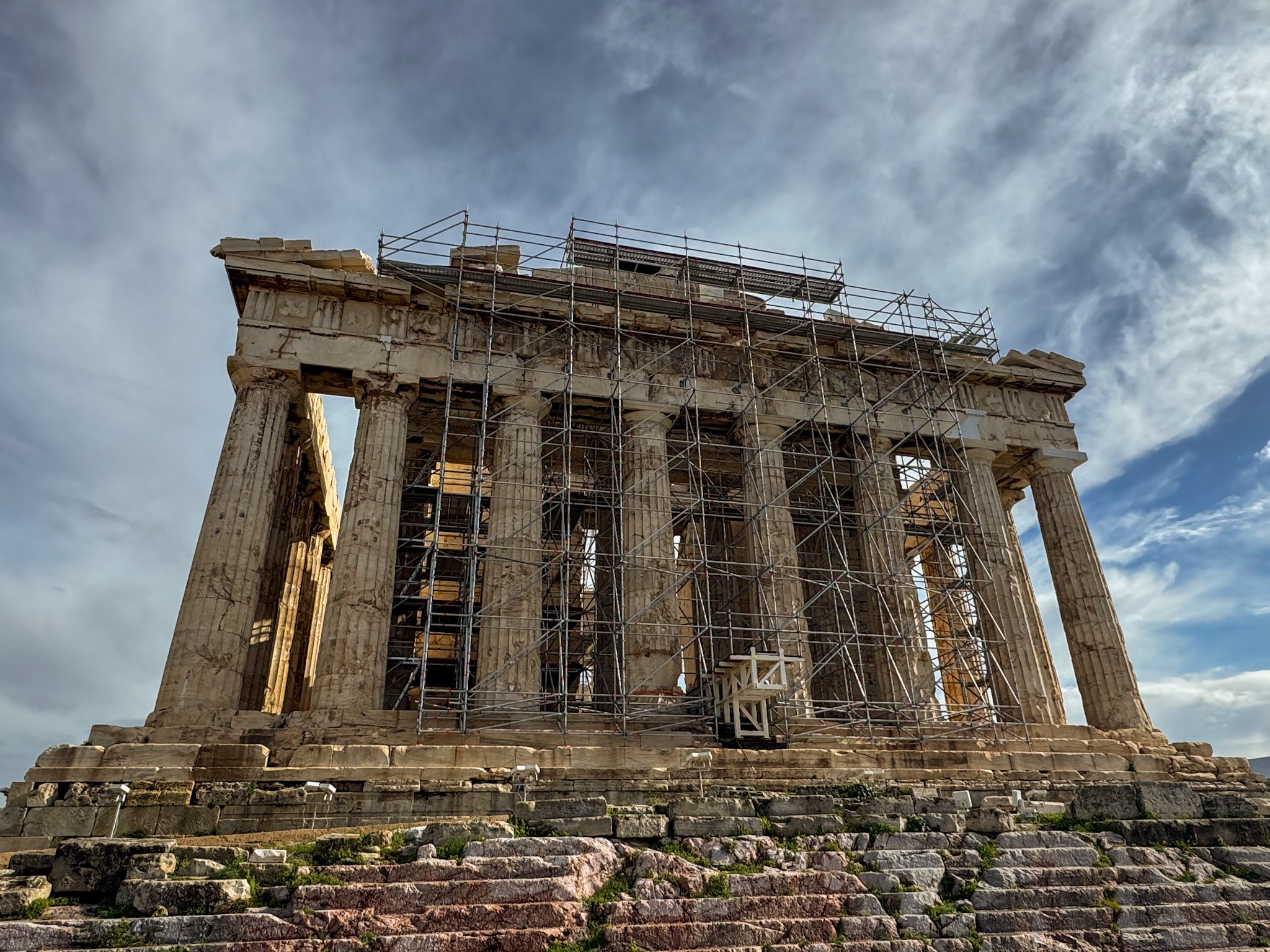
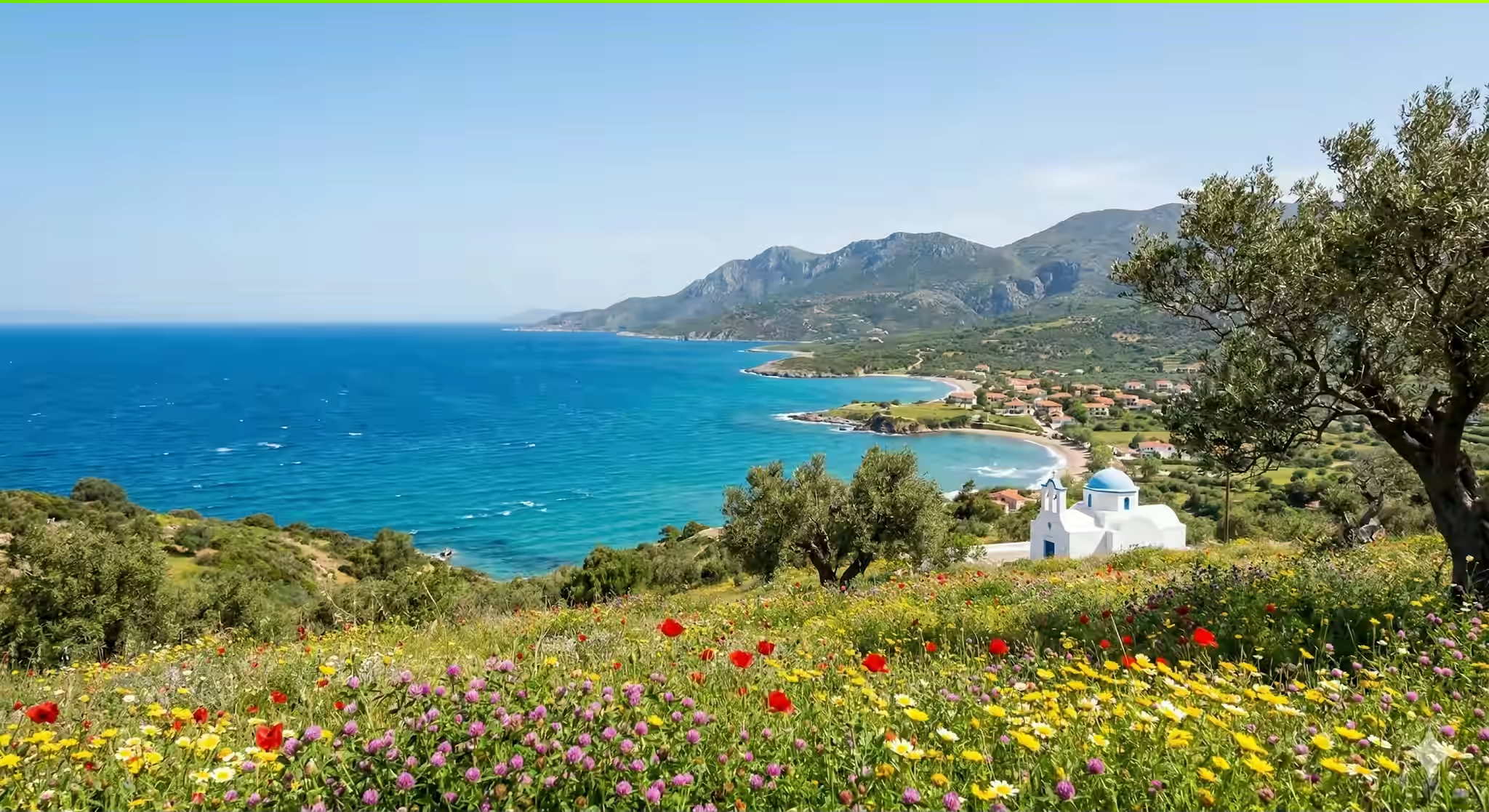
Greece in April is a sensory explosion of colors and fragrances that you simply won't find during the scorching July heat. With temperatures hovering around a perfect 70°F (20°C), exploring iconic landmarks - from the Acropolis in Athens to the mystical cliffs of Meteora is a pure pleasure, blissfully free from the exhausting sun and massive summer crowds.
This is also the ultimate "hack" for your travel budget. Prices at boutique hotels and luxury resorts are up to 40% lower than during the peak summer season. In 2026, the calendar is especially enticing: Western Easter falls on April 5, followed by Orthodox Easter just a week later on April 12. This alignment offers a rare opportunity for an extended spring getaway to witness the most spectacular cultural celebrations in the Mediterranean.
Easter Logistics: What to Know Before You Book
Planning a trip for Greek Pascha (April 10-13, 2026) requires a sophisticated, strategic approach. To ensure your vacation is a seamless, relaxing experience rather than a struggle with local crowds, use this guide to master your logistics and travel budget like a pro.
1. Transport and Mobility
-
Flights to Athens and Thessaloniki: April is the "sweet spot." Airlines offer tickets at prices significantly lower than in the summer. Pro Tip: To save money, aim for flights between April 7 and April 14, 2026. Avoid flying exactly on Easter Monday, as prices spike when locals head back to work abroad.
-
Ferries to the Islands: April 9 - 14, 2026, is the busiest time on the Aegean Sea. Greeks travel en masse to their family homes. If you plan to visit the Cyclades (like Tinos or Mykonos) or the Ionian Islands (Corfu), book your tickets via apps like Ferryhopper at least 3 months in advance. Buying a ticket at the port on Good Friday is nearly impossible.
-
Car Rentals: Demand during Easter can cause rental prices to jump by 30 - 40%. Pro Tip: Look for agencies offering "Full Insurance." With narrow streets and crowded processions, peace of mind is worth a few extra dollars.
2. Opening Hours and "Dead Days"
This section is crucial for the "budget and logistics" focus of your article. To make it sound like a top-tier American travel publication, I have polished the language to be more evocative and professional, ensuring the "Dead Days" concept is presented as an insider tip.
2. Opening Hours and the "Holiday Pause"
Easter is the one time of year when the Greek clock almost completely stops. For travelers focused on intense sightseeing or shopping, these dates are essential to avoid the frustration of closed doors.
-
Holy Thursday (April 9): This is the last day of "business as usual". Shops and markets operate on a standard schedule, making it your final opportunity for major shopping or stocking up on essentials.
-
Good Friday (April 10) – A Day of Reflection: This is the most restrictive and somber day on the Greek calendar.
-
Shops and Supermarkets: Expect a significantly delayed start; most open at 1:00 PM and close early, around 6:00–7:00 PM, to allow employees to attend the evening Epitafios processions.
-
Museums and the Acropolis: Most major archaeological sites operate on shortened hours, typically closing their gates by 3:00–4:00 PM.
-
-
Holy Saturday (April 11): Grocery stores and markets open in the morning but close definitively between 3:00 PM and 4:00 PM. After this "pause," you will only find necessities at small 24-hour kiosks (Periptero) or gas stations until Tuesday morning.
-
Easter Sunday (April 12) – The Total Lockdown: * Retail: Consider this a national day of rest; all supermarkets, malls, and boutiques are strictly closed.
-
Dining: Many city-center restaurants may be closed as families celebrate at home. While traditional taverns will be roasting lamb, booking your table several days in advance is absolutely mandatory to secure a spot.
-
-
Easter Monday (April 13): As a public holiday, shops remain closed. Most museums and historical sites typically reopen, though they may operate on shorter Sunday hours.
| Day (Date) | Stores & Markets | Museums & Sites | Restaurants & Taverns |
| Holy Thursday (Apr 9) | OPEN (Standard hours) | OPEN (Standard hours) | OPEN (Standard menu) |
| Good Friday (Apr 10) | REDUCED (1:00 PM – 7:00 PM) | REDUCED (Often close by 3:00 PM) | LENTEN MENU (Focus on seafood; often no meat or live music) |
| Holy Saturday (Apr 11) | REDUCED (Close by 3:00 PM or 4:00 PM) | OPEN (Standard hours) | OPEN (Traditional Magiritsa soup served after midnight) |
| Easter Sunday (Apr 12) | CLOSED (Holiday Lockdown) | CLOSED | RESERVATIONS ONLY (Traditional lamb feast) |
| Easter Monday (Apr 13) | CLOSED | REDUCED (Sunday schedule) | OPEN (Family-style dining) |
Where is the Heart of Greek Pascha?
Your choice of destination will determine the character of your entire trip. Whether you want a spectacular show or mystical peace, here is our ranking:
1. Corfu: Holy Saturday and the "Pot Throwing"
Corfu is the undisputed queen of Greek Easter. Here, Orthodox tradition blends with Venetian style to create a once-in-a-lifetime spectacle.
-
The Main Event: On Holy Saturday at 11:00 AM, residents throw massive clay pots filled with water (Botides) from balconies overlooking Spianada Square to celebrate the "First Resurrection".
-
The Vibe: Majestic and loud. Up to 18 philharmonic bands march through the city; the sound of brass instruments in the narrow streets of Liston is breathtaking.
2. Leonidio (Peloponnese): The Night of a Thousand Lanterns
If Corfu is about "noise and energy," Leonidio is its magical, idyllic opposite.
-
Why it’s worth it: At midnight after the Resurrection service, the sky over the town is lit by over 500 colorful paper lanterns. Rising above the rooftops against the dark mountain backdrop, they create a fairytale-like landscape.
3. Meteora: Prayer Between Heaven and Earth
Ideal for those seeking a deep spiritual experience and monumental views.
-
The Experience: Easter services in the monasteries perched atop giant rocks feature a solemn Byzantine atmosphere. Chants echoing through the valley in the light of thousands of candles are truly unearthly.
4. Patmos: Easter at the Source of Faith
Known as the "Island of the Apocalypse," Patmos attracts travelers seeking unique traditions without mass tourism.
-
Unique Tradition: On Holy Thursday, the Niptiras ceremony takes place in Chora—a moving reenactment where the Abbot washes the feet of twelve monks, mimicking Christ’s gesture to the Apostles.
5. Chios: The Easter Rocket War
For those asking for Europe’s "craziest tradition," the answer is Vrontados on the island of Chios.
-
Rouketopolemos: Two rival parishes fire thousands of homemade rockets at each other’s bell towers. The sky "burns," the noise is deafening, and tourists watch from behind protective metal mesh.